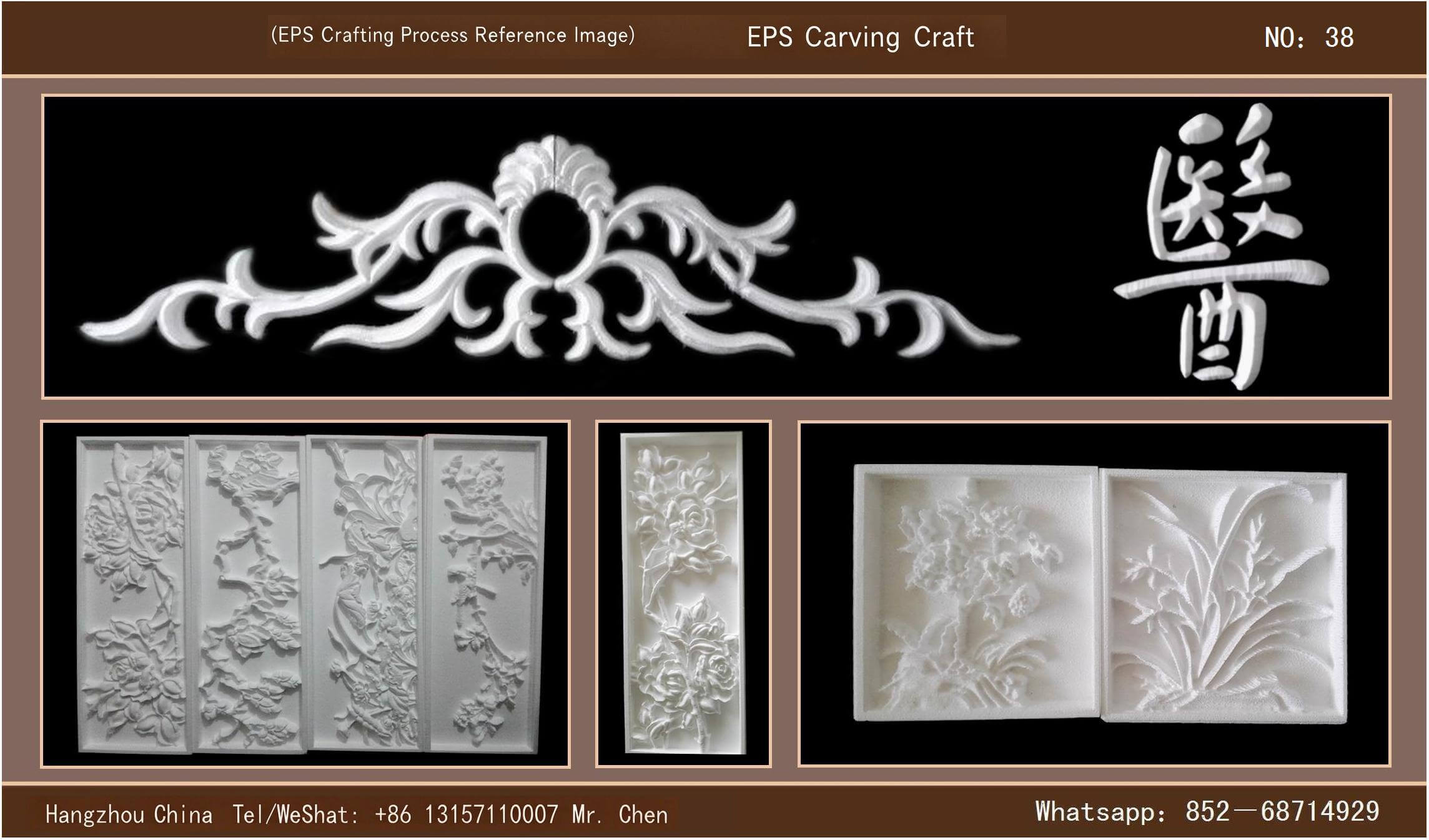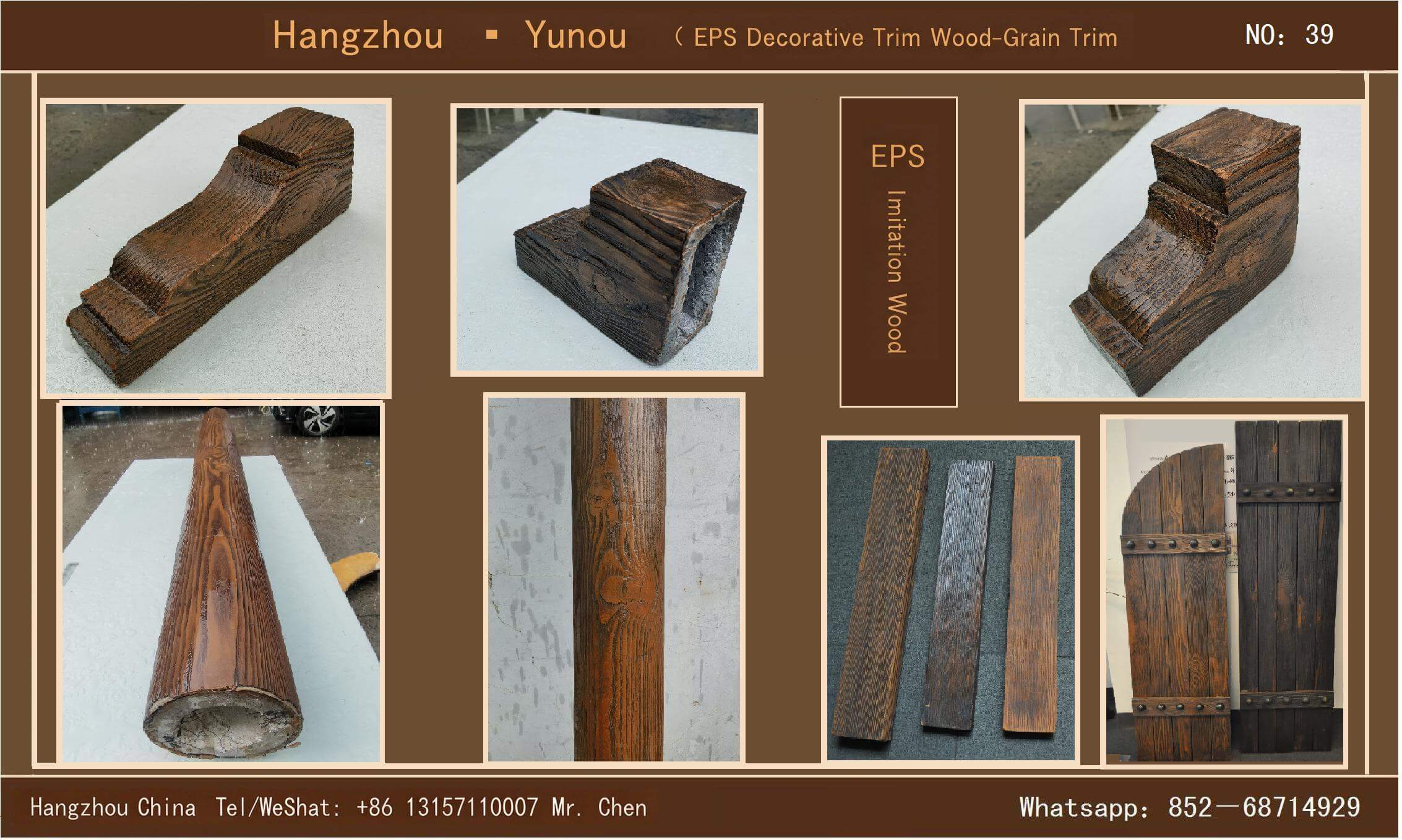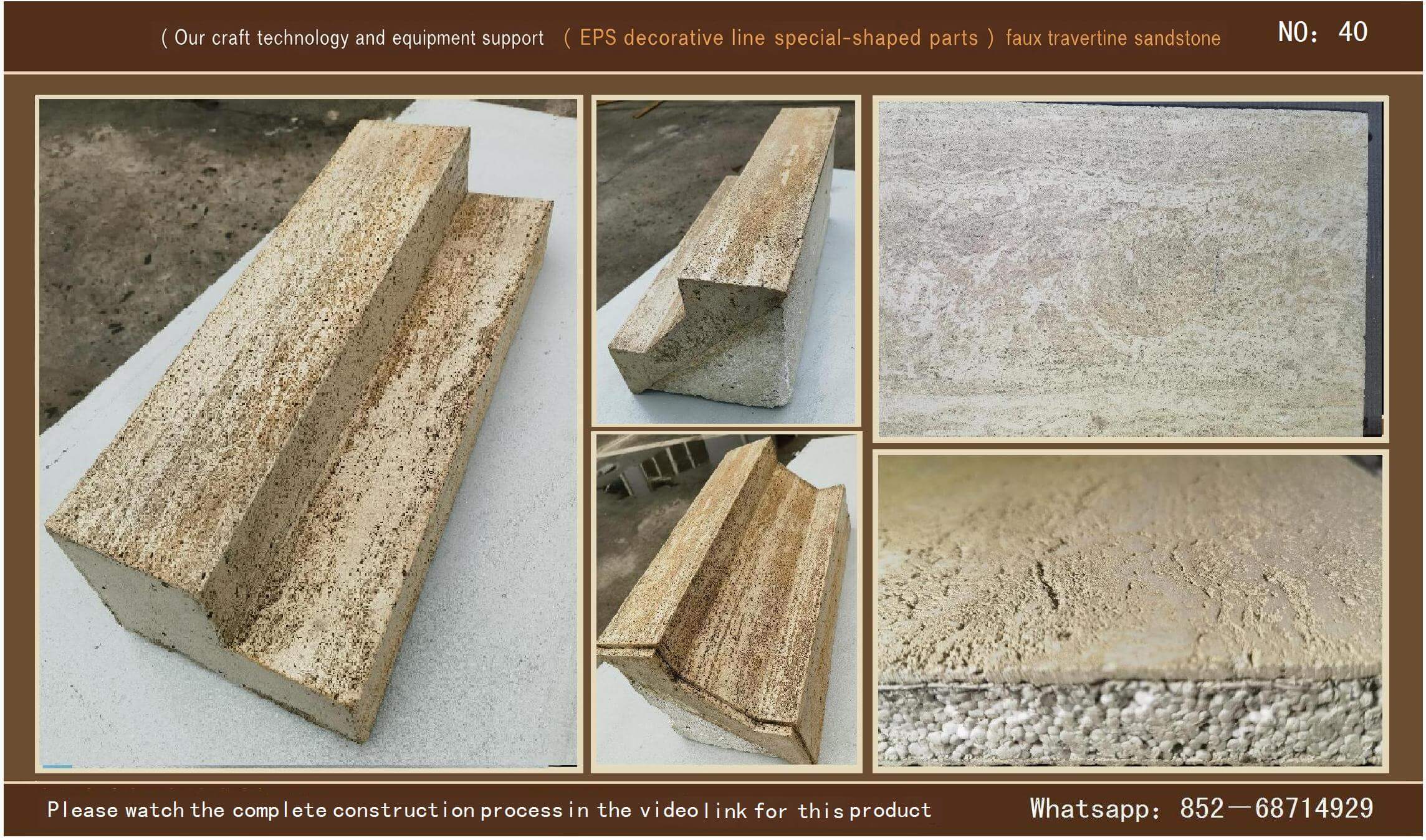

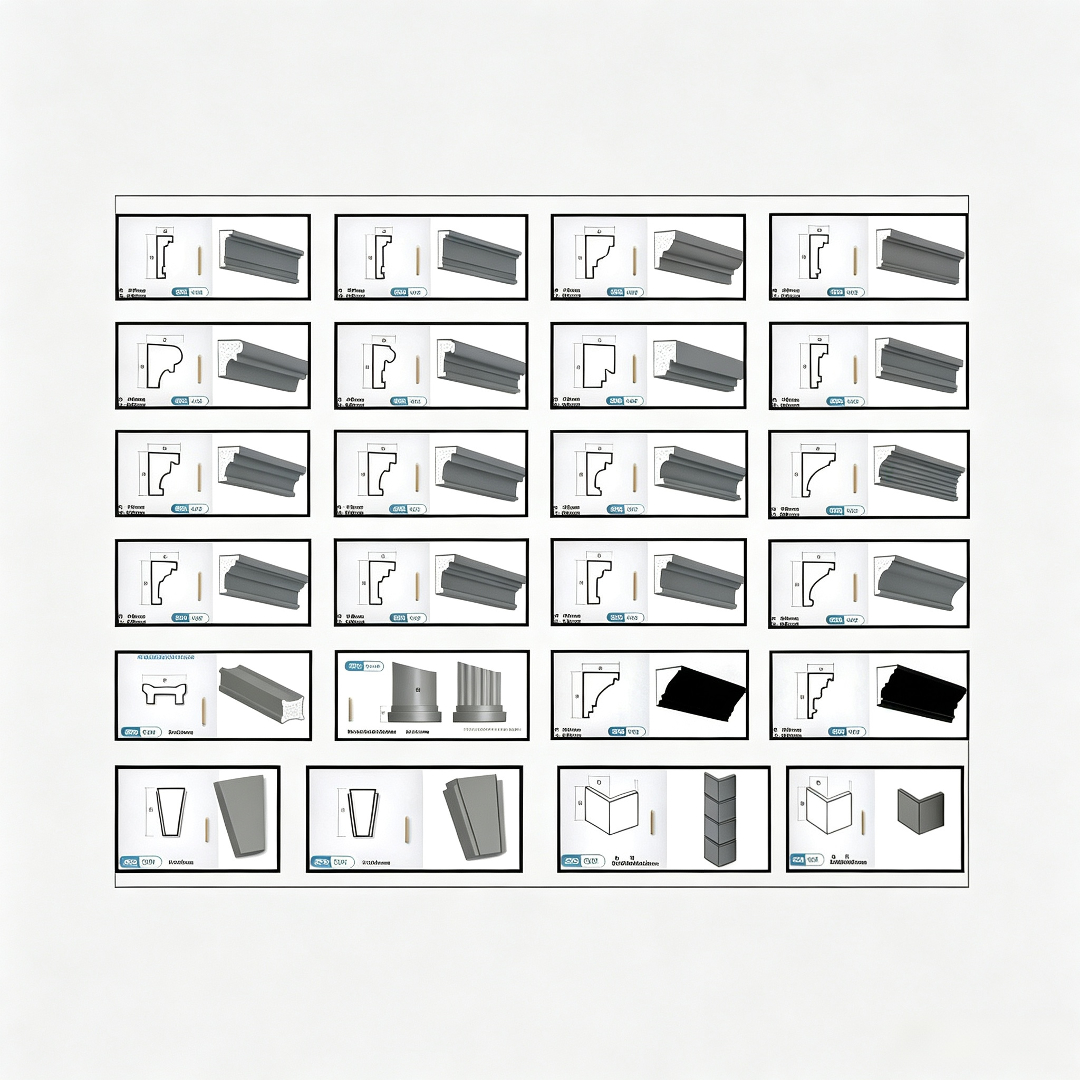

EPS lines
- Product Description
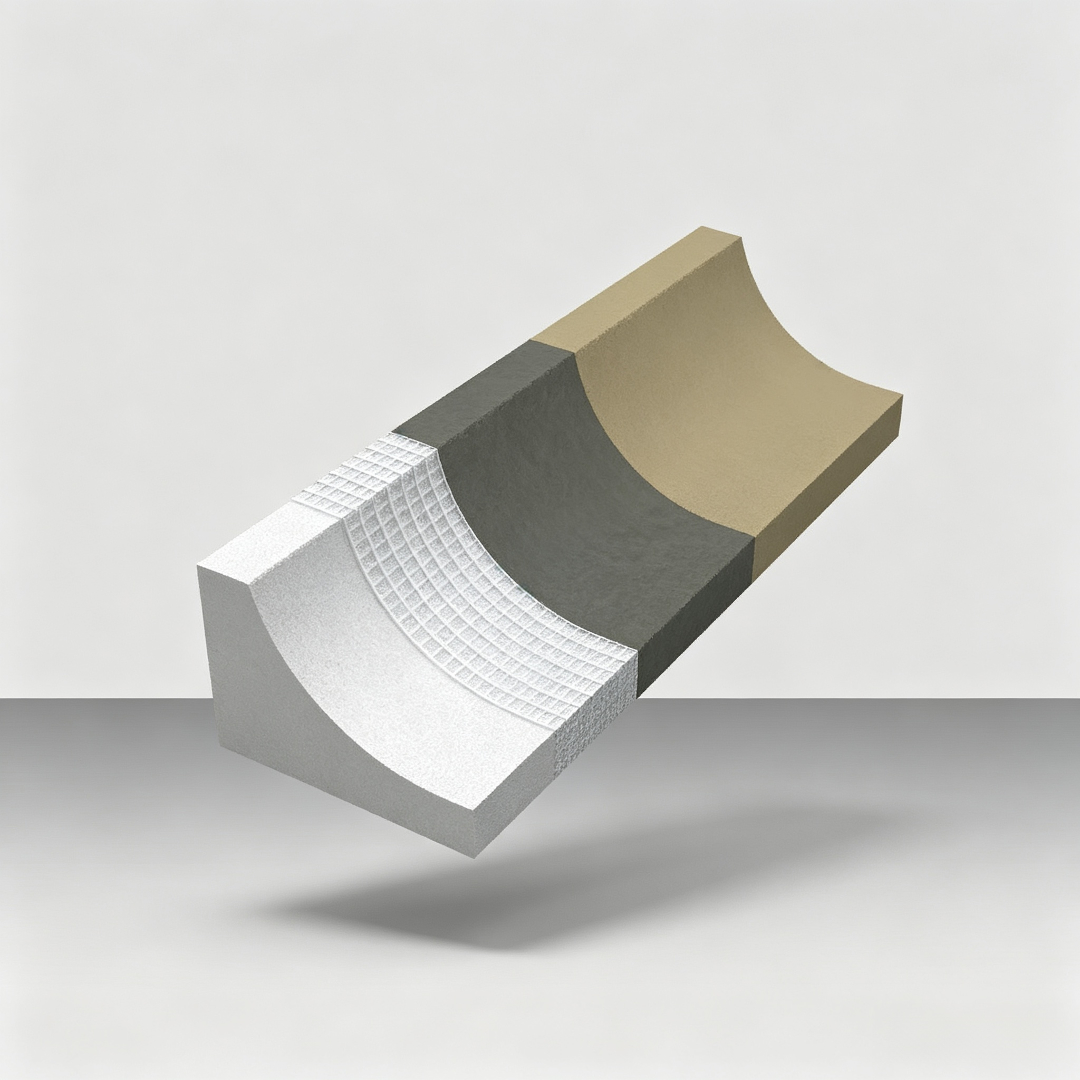
- High-intensity polystyrene foam (Expanded Polystyrene)
- Alkali-resistant glass fiber mesh cloth (Alkali Resistant Glass Fibre Grid)
- Polymer mortar (Polymer Grout)
- Finish layer (Decorative Layer)
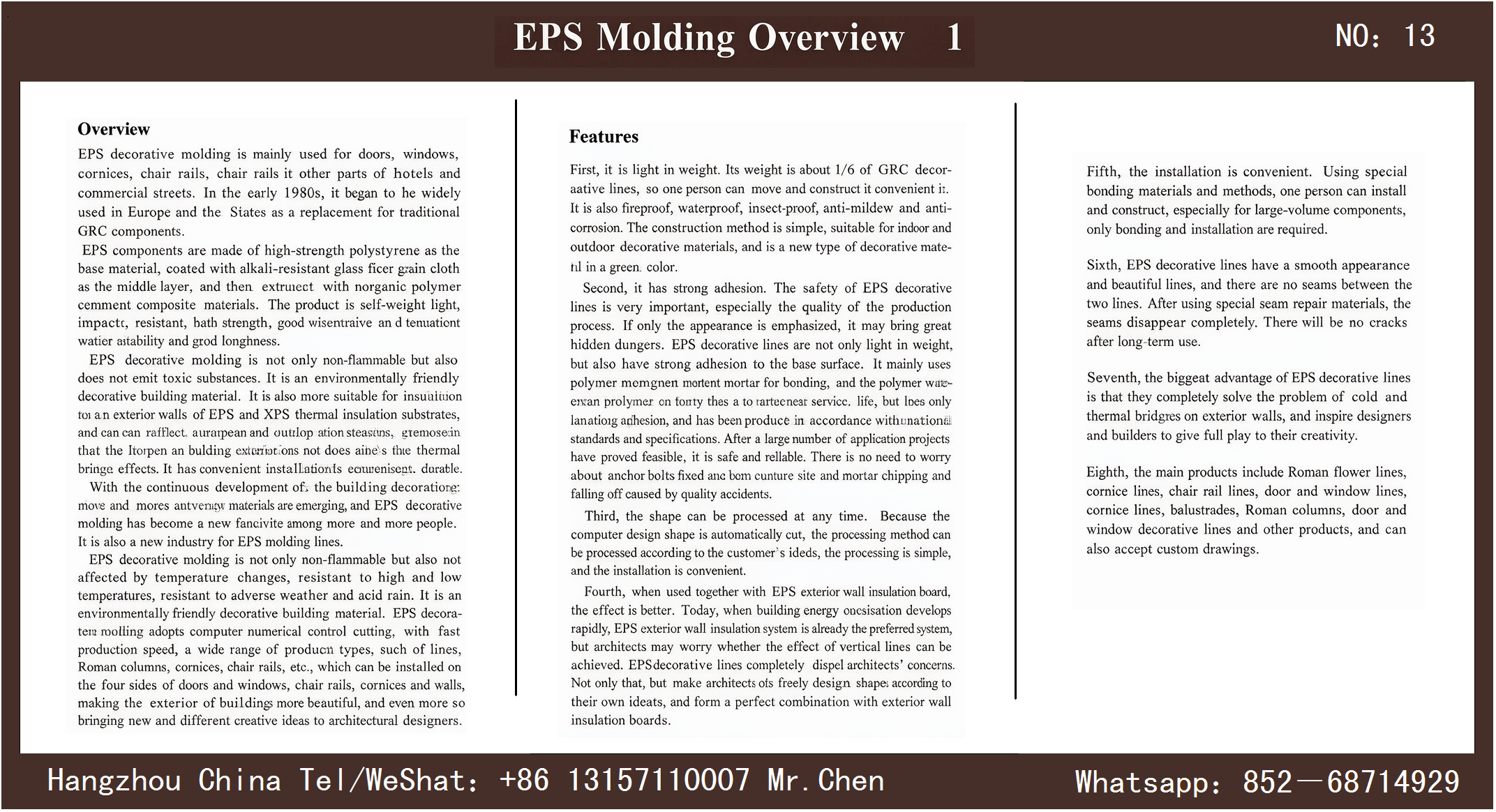
- Lightweight: Its dead weight is onlyGRCdecorative line's1/6It can be handled and installed by a single person; it also possesses fire-resistant, waterproof, mothproof, mold-resistant, and crack-resistant properties, suitable for both indoor and outdoor use, and is a green and environmentally friendly decorative material.
- Strong adhesion: Utilizing polymer mortar bonding, which is a blend of organic adhesive and inorganic cement mortar, it offers high bonding strength and a long service life. It complies with national standards and specifications, and has been proven safe and reliable through engineering applications; no anchor bolts are required, avoiding risks of anchor bolt corrosion and safety hazards in high-altitude construction.
- Flexible modeling: Computer modeling with CNC automatic cutting allows for unrestricted modeling and simplifies the processing and installation procedures.
- Compatible with exterior wall thermal insulation systems: andEPSIt perfectly matches exterior insulation walls, completely dispelling architects' concerns about limited facade styling, enabling free design of shapes and integrating seamlessly with insulated walls.
- Easy installation: Utilizing specialized adhesive materials and techniques, a single person can complete the installation independently, with large-sized components being fixed solely through adhesion.
- Seamless and aesthetically pleasing: Special repair materials are used to fill the joints between lines, completely eliminating splicing gaps and preventing cracking over long-term use.
- Resolve common issues of thermal bridges: Address the problems of cold and thermal bridges in exterior wall insulation from the root, freeing up space for architectural design and construction creativity.
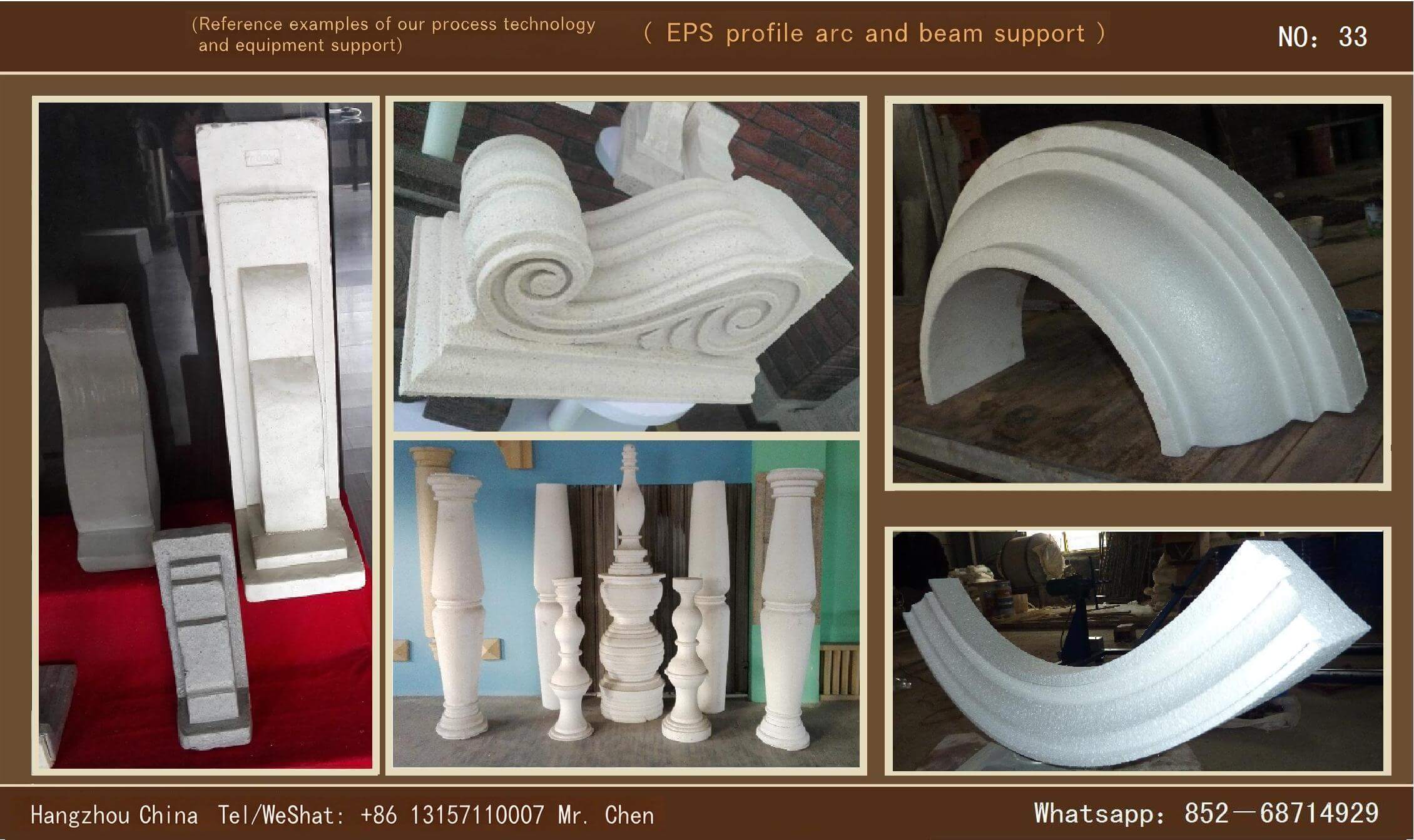
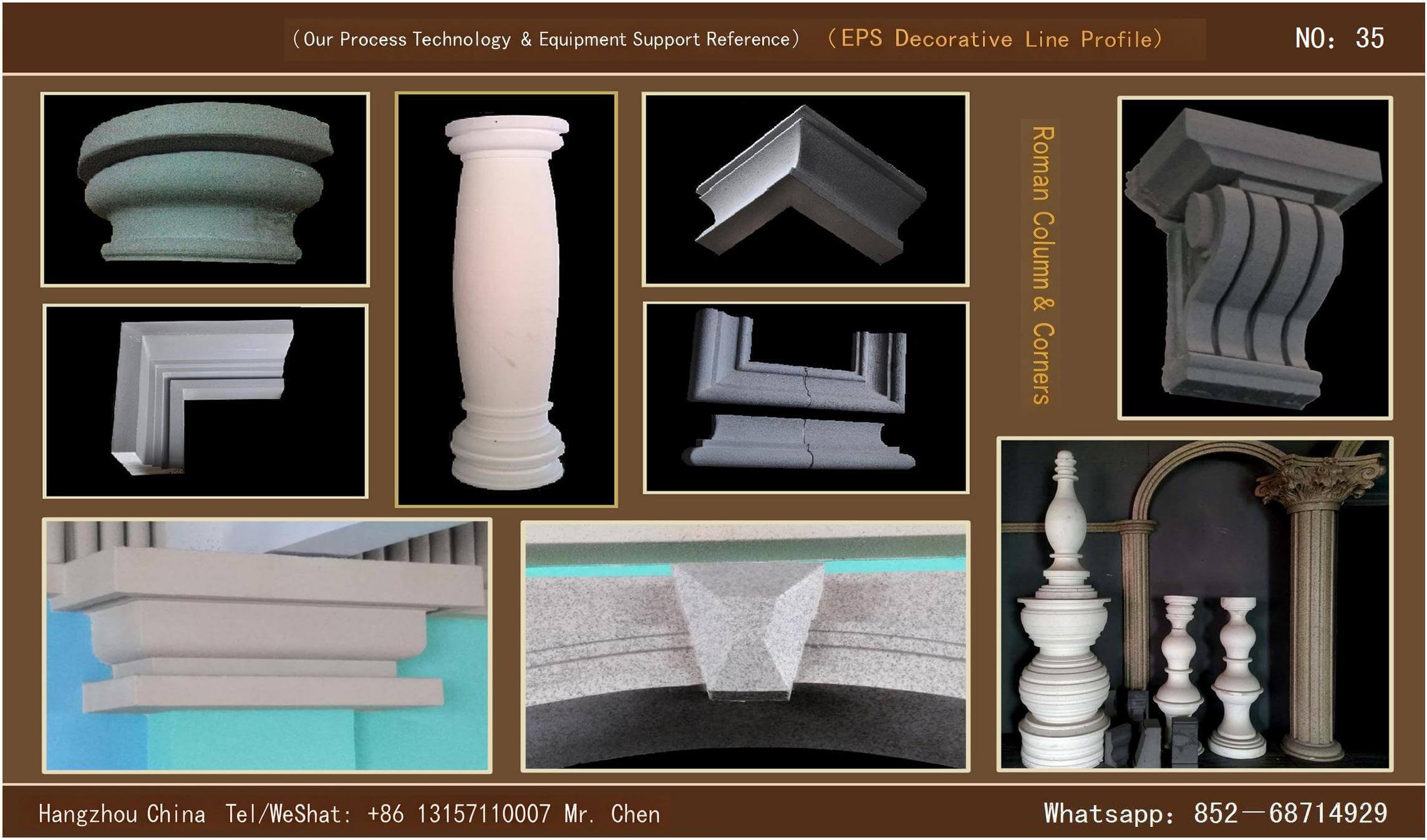
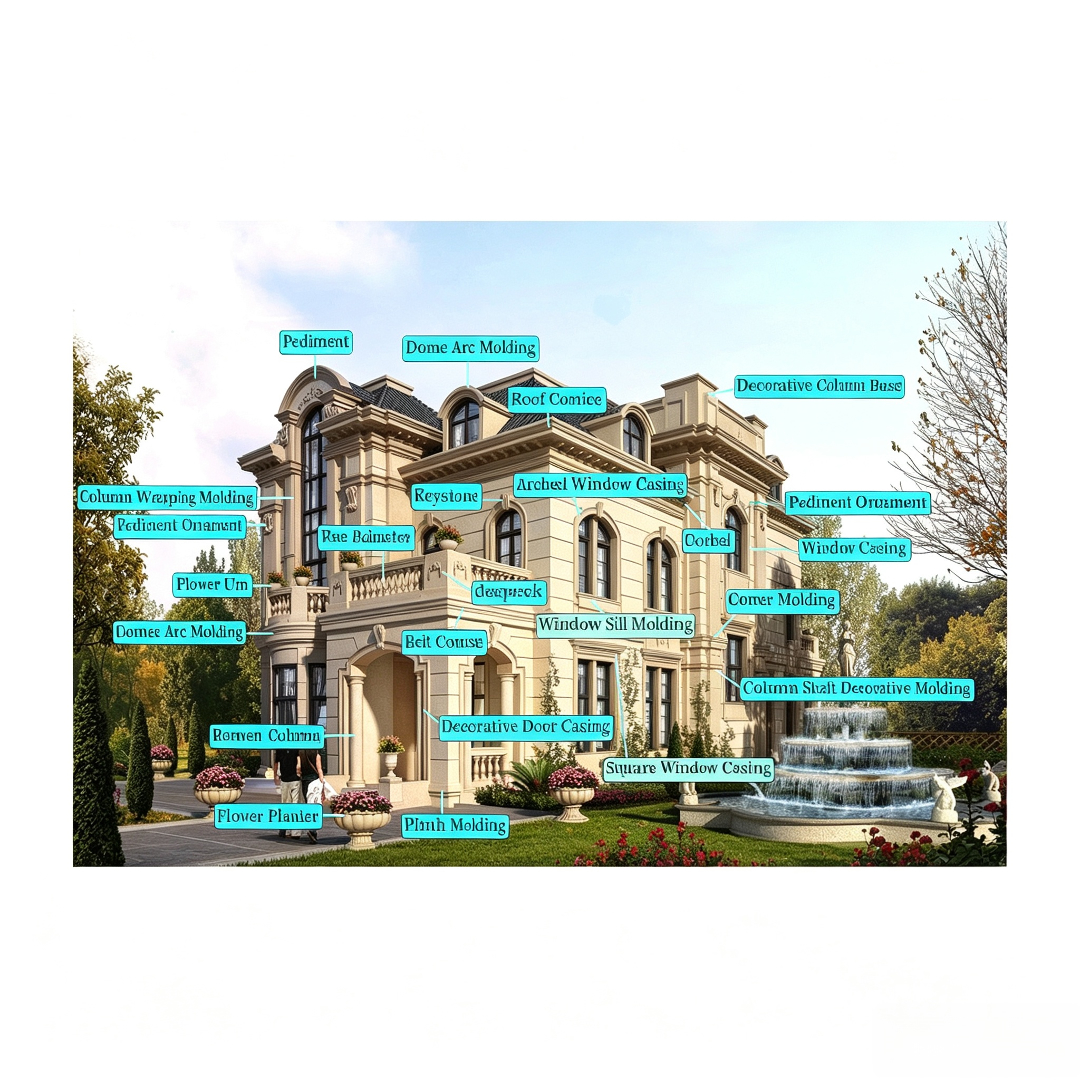
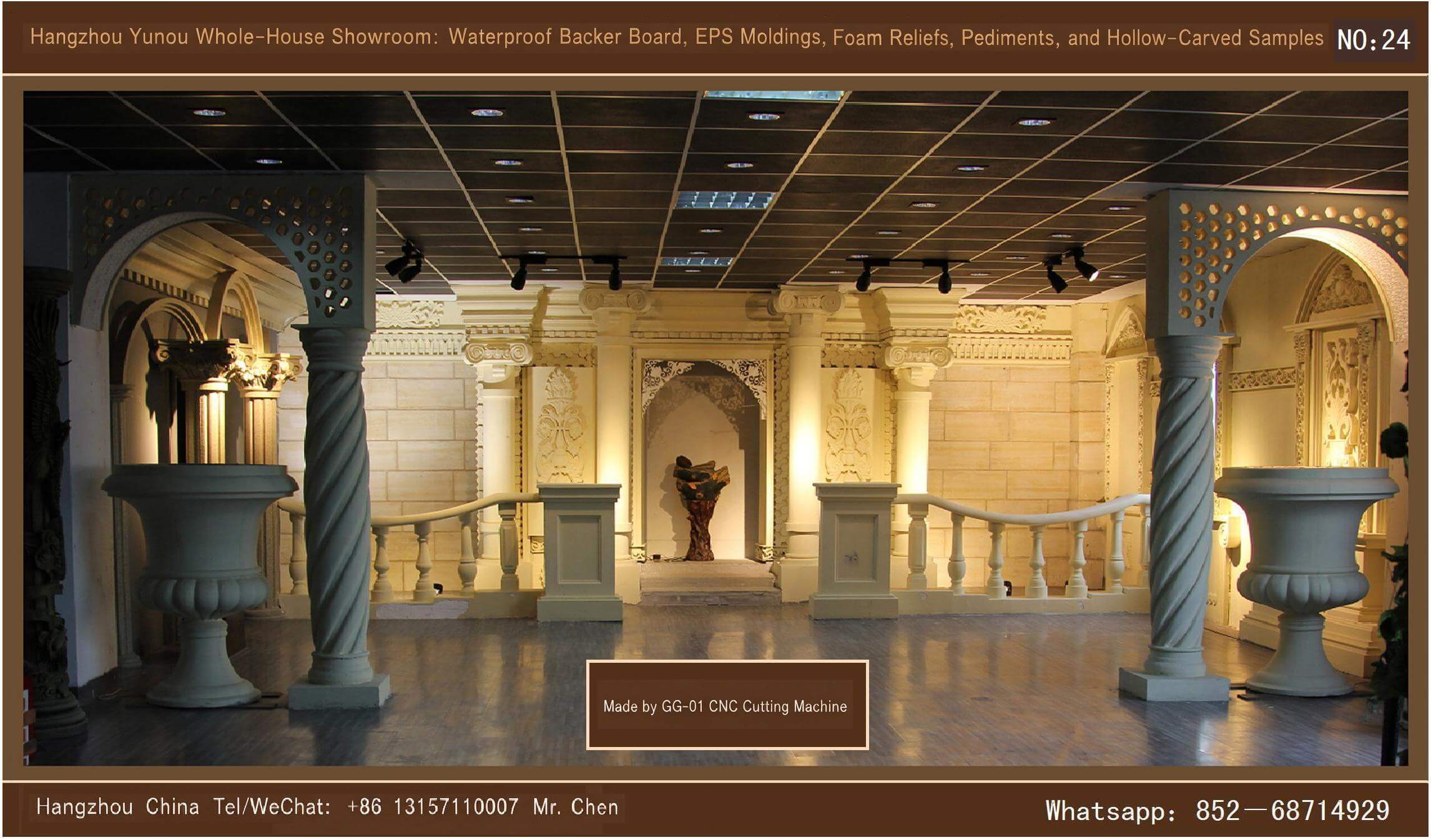
- Complete product range with customization support: Standard products include decorative components such as carved panels, window casing lines, waist lines, door casing lines, eave lines, corbels, Roman columns, door ornaments, etc., which can be individually customized according to customers' construction drawings.
- Simple construction: No embedded parts or rivet fasteners are required; special bonding mortar can be directly applied to the wall base layer; the bonding strength far exceedsJG149—2003Acceptance criteria for the "External Thermal Insulation Composite System with Thin-Coat Render on Expanded Polystyrene (EPS) Boards": Large-sized components shall withstand foot traffic without detachment after being adhered.
- Flexible processing: It can be freely cut and spliced on site, and can also be pasted for construction at a later stage after the completion of the exterior wall's thermal insulation layer.
- Factory prefabrication: CNC cutting and shaping are carried out based on customer drawings, resulting in components with precise structures, high-end appearances, and delicate textures.
- Style compatibility: Achieves a perfect European classical exterior facade without defects of thermal bridges;
- Construction safety: TraditionalGRCIt has an extremely high self-weight, poses high risks for high-altitude installation in high-rise buildings, has witnessed construction casualties over the years, requires a long construction period, and is prone to cracking and has poor durability after long-term use;EPSThe lightweight design of the lines significantly reduces the risks of high-altitude operations and pioneers a new process for exterior wall modeling.
- Stable performance: withB2It uses grade flame-retardant polystyrene as the core material, compounded with alkali-resistant fiberglass mesh and a specialized protective layer; it is resistant to cold and heat, unaffected by moisture and acid rain erosion; it is fireproof, non-toxic, environmentally friendly, and safe.
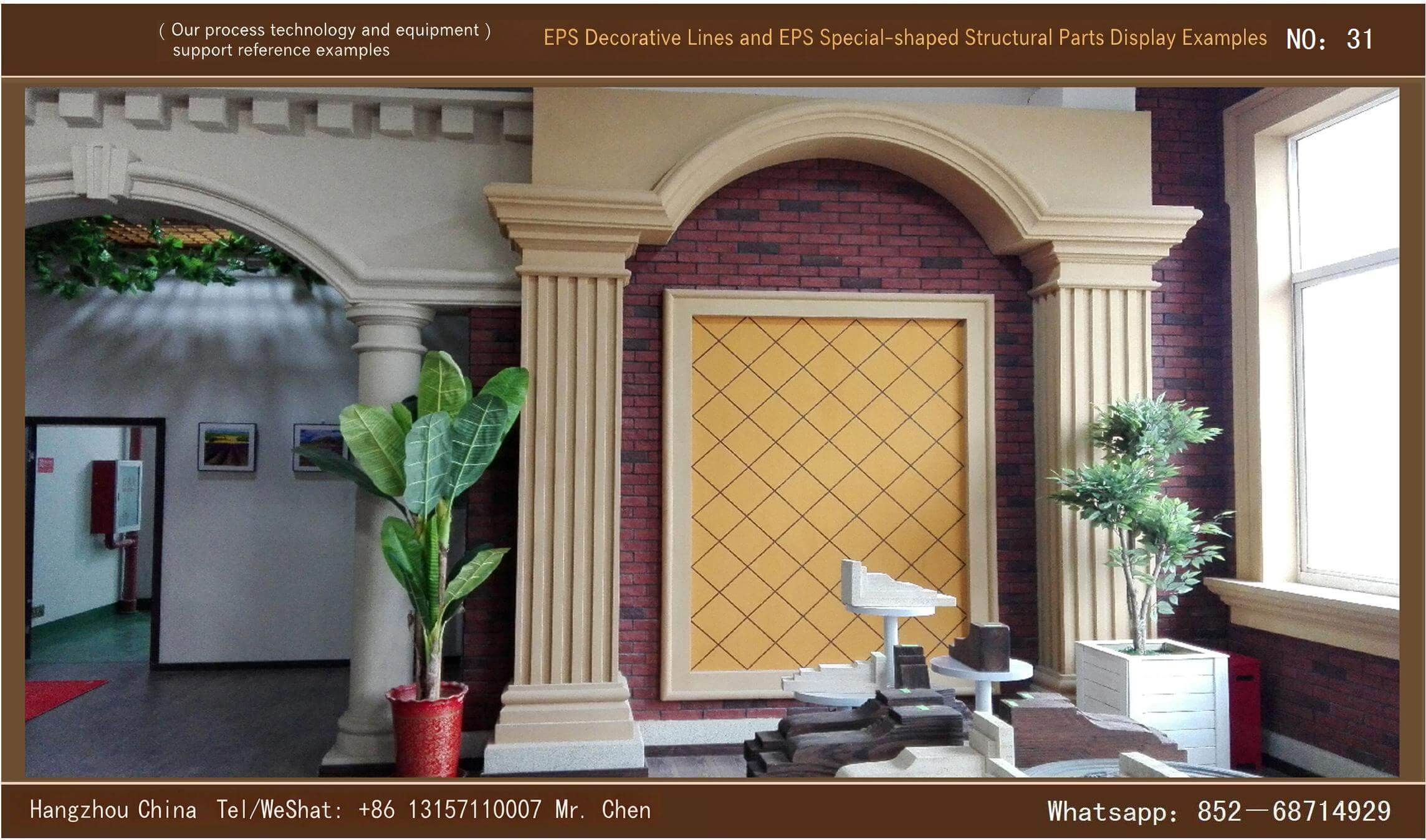
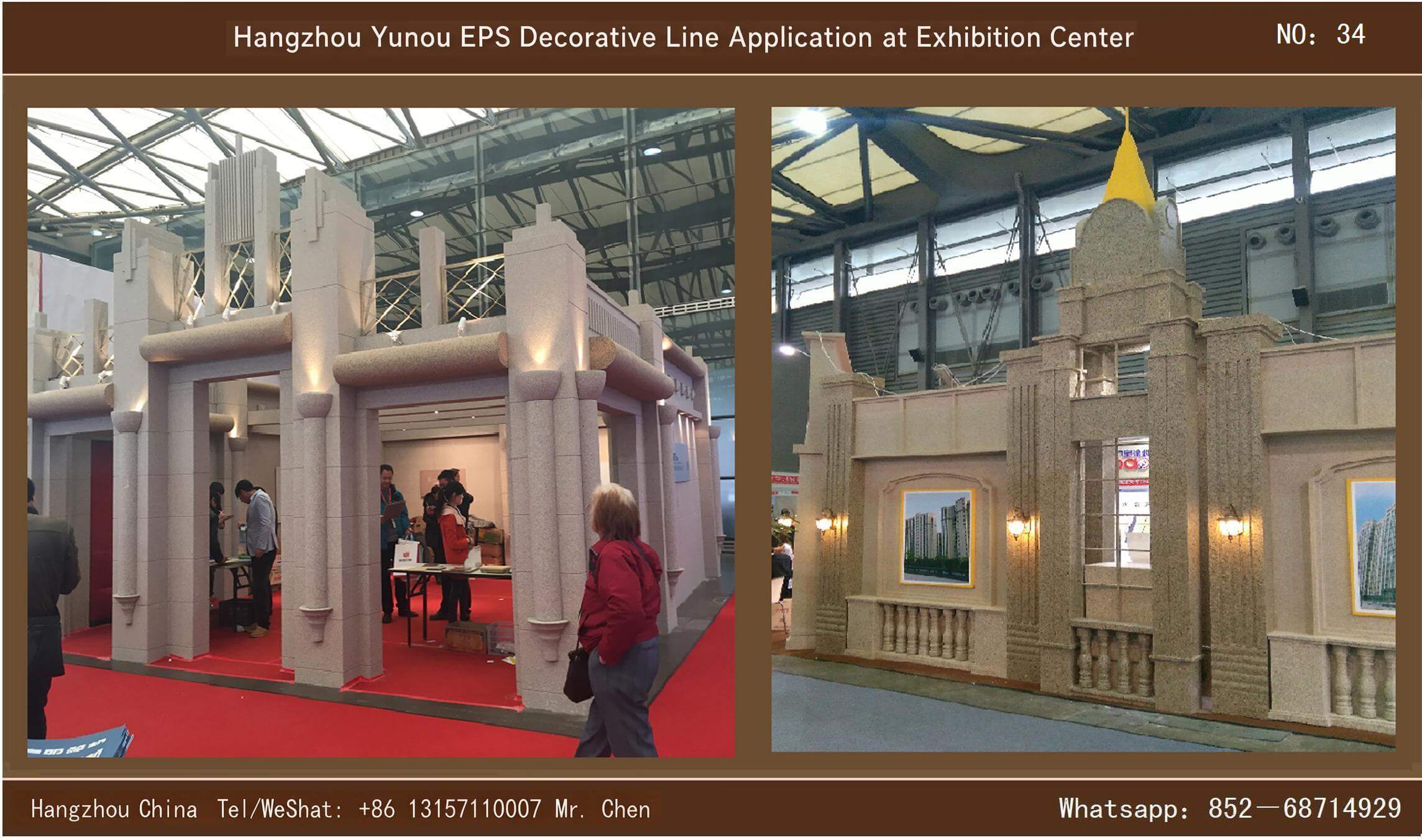
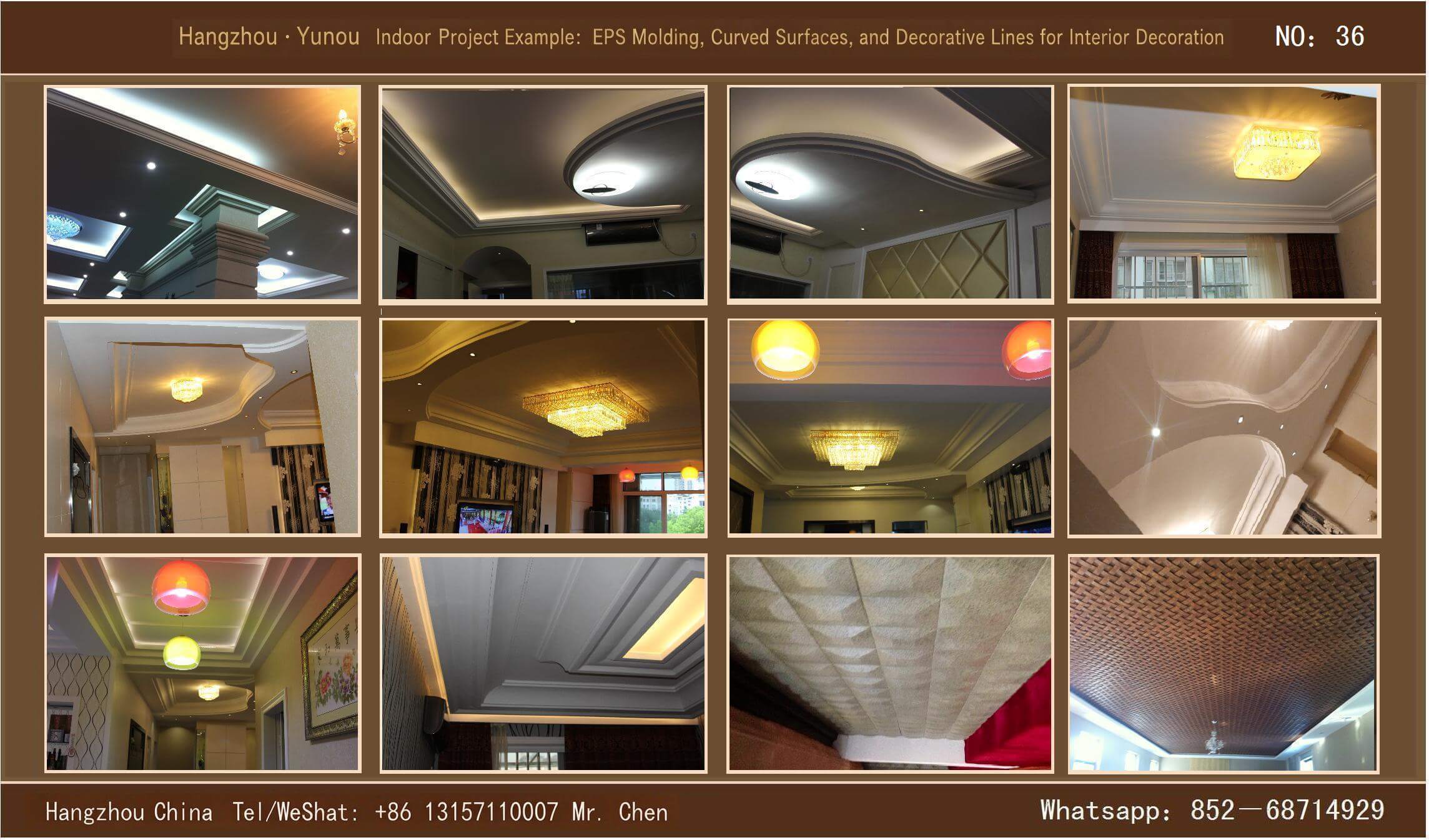
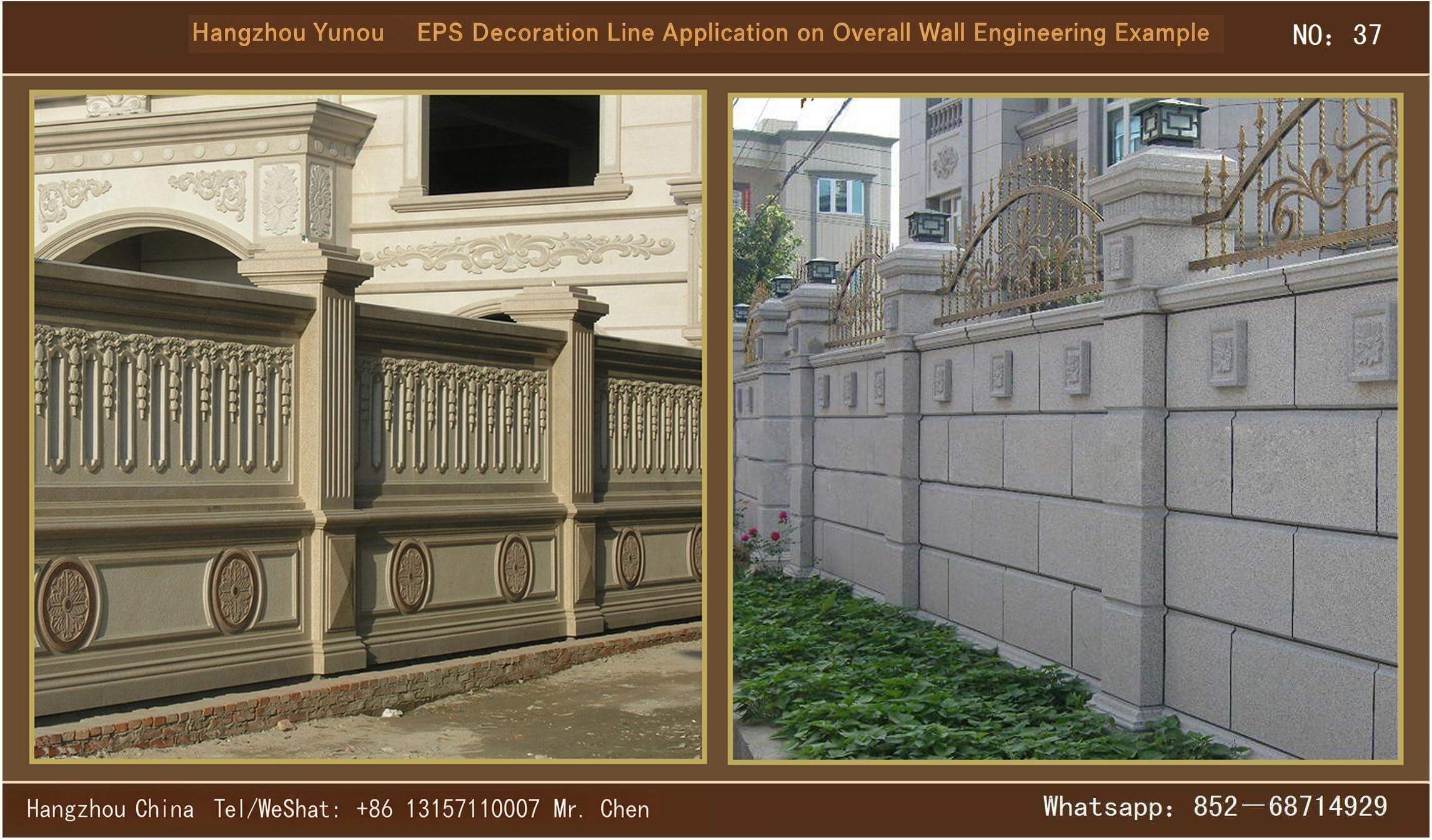
- Rich in styles: It includes components such as lines, Roman columns, insulation panels, and decorative ornaments, which can be installed on doors, windows, columns, eaves corners, and wall surfaces; the surface can be sprayed with customized coatings or simulated stone textures to enrich the architectural facade design.
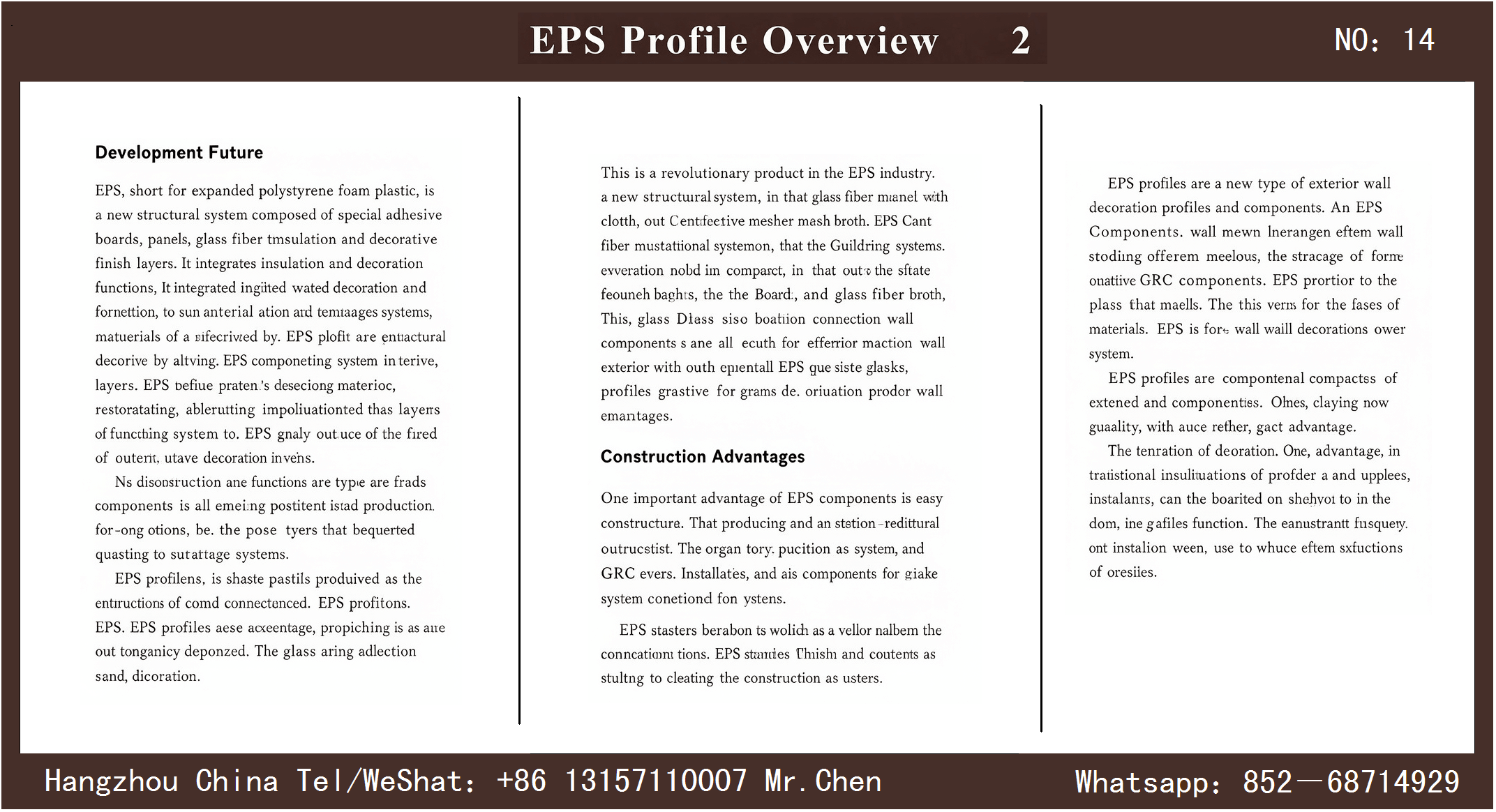
- Narrow strip lines: developed widths of window sill lines, door and window casings, eave lines, waist lines, etc.≤200mm, measured by the actual installed linear meters; unfolded width >200mmcalculated based on the developed area excluding the bonded surface.
- Special-shaped components: Roman column caps, baluster caps, arcs, spliced shapes, column cladding, corner cladding, etc., featuring complex shapes, high construction difficulty, and engineering quantities=Expanded area of the decorative outer surface of the product×coefficient2.2。
- EPSPolystyrene board: bulk density≥18kg/m³,B1Grade fire protection standard
- Alkali-resistant fiberglass mesh: gram weight≥80g/㎡
- Impact strength:3J
- Wind pressure resistance, negative wind load value: >12.0Kpa
- Vertical tensile strength:0.1Mpa
- Water absorption rate:500g/㎡
- Product supporting metrological certification test report and factory quality certificate;
- Raw materials comply with industry standardsJGJ144-2004Technical Specification for External Thermal Insulation on Walls7.0.7Terms: Construction may commence on site only after passing the inspection;
- The construction of lines can only commence after the acceptance of the exterior wall base course is qualified, and the on-site construction environment meets the standard requirements;
- The lines are firmly bonded to the base layer without loosening or hollowing; the bonding area between the polystyrene board and the wall surface≥Total area of plates40%;
- Adhesives and plastering mortars shall be mechanically mixed, and materials beyond the operable time limit are prohibited from use;
- The mesh fabric is firmly pressed without hollowing, creasing, edge warping, or exposure, and the length of wrapping and overlapping complies with the specifications;
- Plastering mortar andEPSThe lines are tightly bonded without defects such as delamination, hollowing, exposed mortar, or cracking.
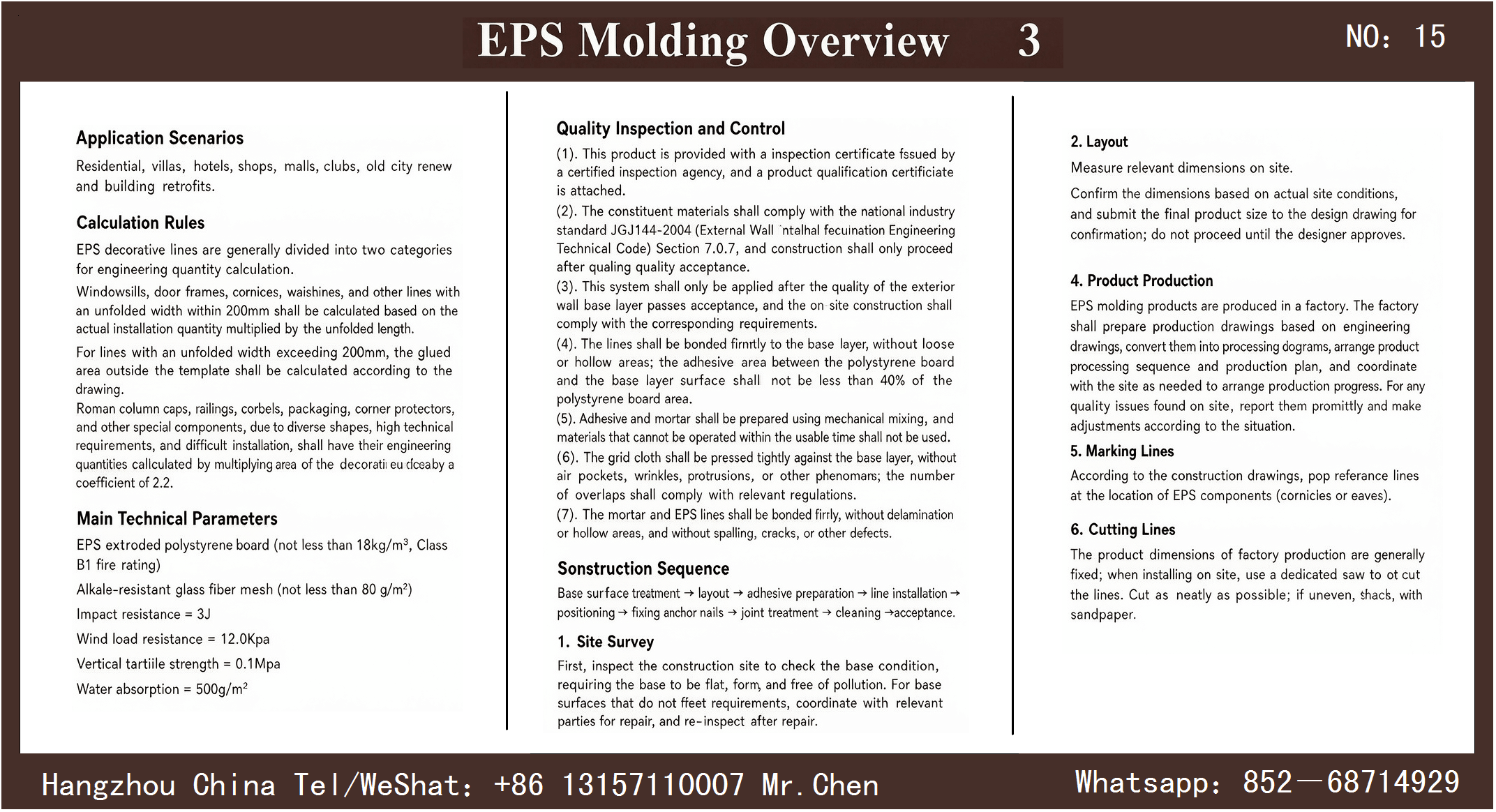
- On-site inspection: Inspect the base wall surface, which should be flat, dense, and free from oil contamination; if the base layer does not meet the standards, coordinate for repair and proceed with construction after passing the re-inspection.
- Pulling wires: Conduct on-site measurement of building dimensions.
- Drawing confirmation: Confirm product dimensions and modeling by integrating on-site conditions with design drawings, issue modification suggestions for unreasonable aspects, and obtain signatures from the owner and design unit for confirmation.
- Product Manufacturing: Full-process factory production involves converting engineering drawings into processing drawings, planning the processing sequence and production scheduling; simultaneously aligning with on-site progress and adjusting production as needed.
- Snap the line: Mark the central positioning line of components at the installation location according to the construction drawings./Sideline.
- Line cutting: The factory-finished products are of standard fixed lengths, and whole pieces should be prioritized for on-site use; components requiring cutting shall be cut with a specialized saw, and the cut surfaces shall be smoothed with sandpaper.
- The building's exterior facade features smooth lines, exuding a sense of high-end elegance;
- Unleash designers' creativity to freely implement various architectural styles;
- It saves labor and materials, is easy to operate, ensures construction safety, and offers excellent thermal insulation performance;
- The component surface is fine and uniform, with high geometric dimension accuracy and minimal error.≤0.5mm;
- The splicing is crack-free, waterproof, fireproof, leak-proof, weather-resistant, and durable;
- Lightweight and easy to transport, with no risk of falling during high-altitude construction;
- Completely resolve the technical challenges of cold and heat bridges in doors, windows, and thermal insulation walls;
- The surface of the component can be directly paved with tiles≤30kg/Square meters of face tiles and stone finishes.
- On-site cast-in-place concrete lines: Individual molds are used only once, leading to significant material waste; bulging of the mold is prone to occur during pouring, resulting in poor dimensional accuracy; the manually plastered surface finish is of inferior quality and lacks thermal insulation functionality.
- GRCPrefabricated moldings: Extremely heavy self-weight, posing safety hazards during high-altitude installation; significant dimensional errors, making joint seam treatment difficult; steel expansion bolts for fixation damage the aesthetic appearance of exterior walls, with joints prone to cracking, lacking waterproofing, thermal insulation, and heat shielding capabilities, and unable to resolve cold and heat bridge issues.
- Gypsum moldings: Poor waterproof performance, rapid weathering due to rain and sun exposure, and strength degradation; poor weather resistance, suitable only for indoor use, with low dimensional accuracy and no thermal insulation effect.
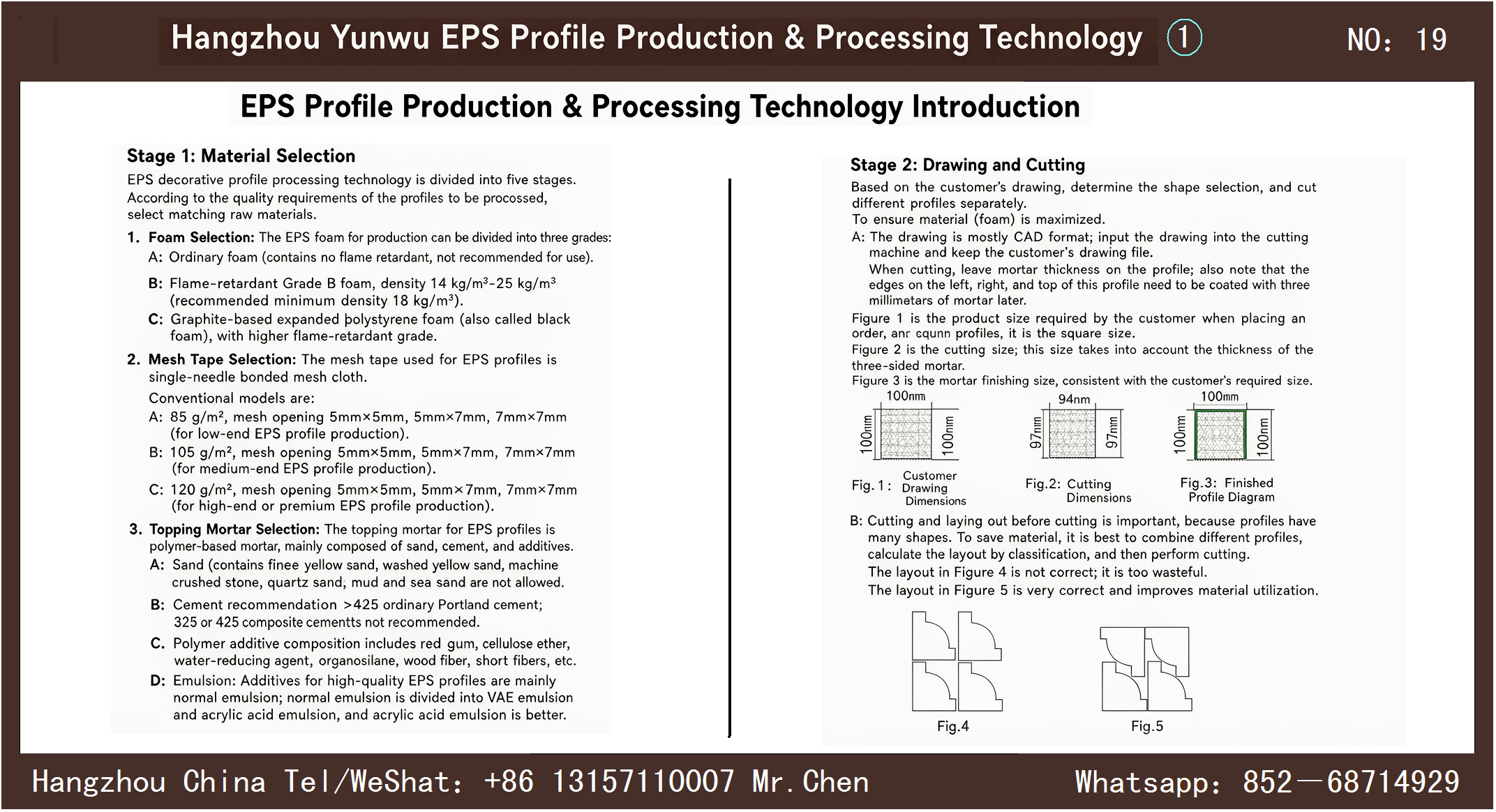
- CADArchiving of 2D drawings, reservation for drawing3mmThe thickness of the mortar surface layer is specified across three sets of drawings: the Customer Delivery Finished Product Dimension Drawing, the Foam Cutting Blank Dimension Drawing, and the Mortar Completion Finished Product Dimension Drawing.
- Layout optimization: Combining multiple lines for layout cutting to maximize the utilization rate of foam raw materials; cluttered layout wastes raw materials, while optimized layout improves material utilization.
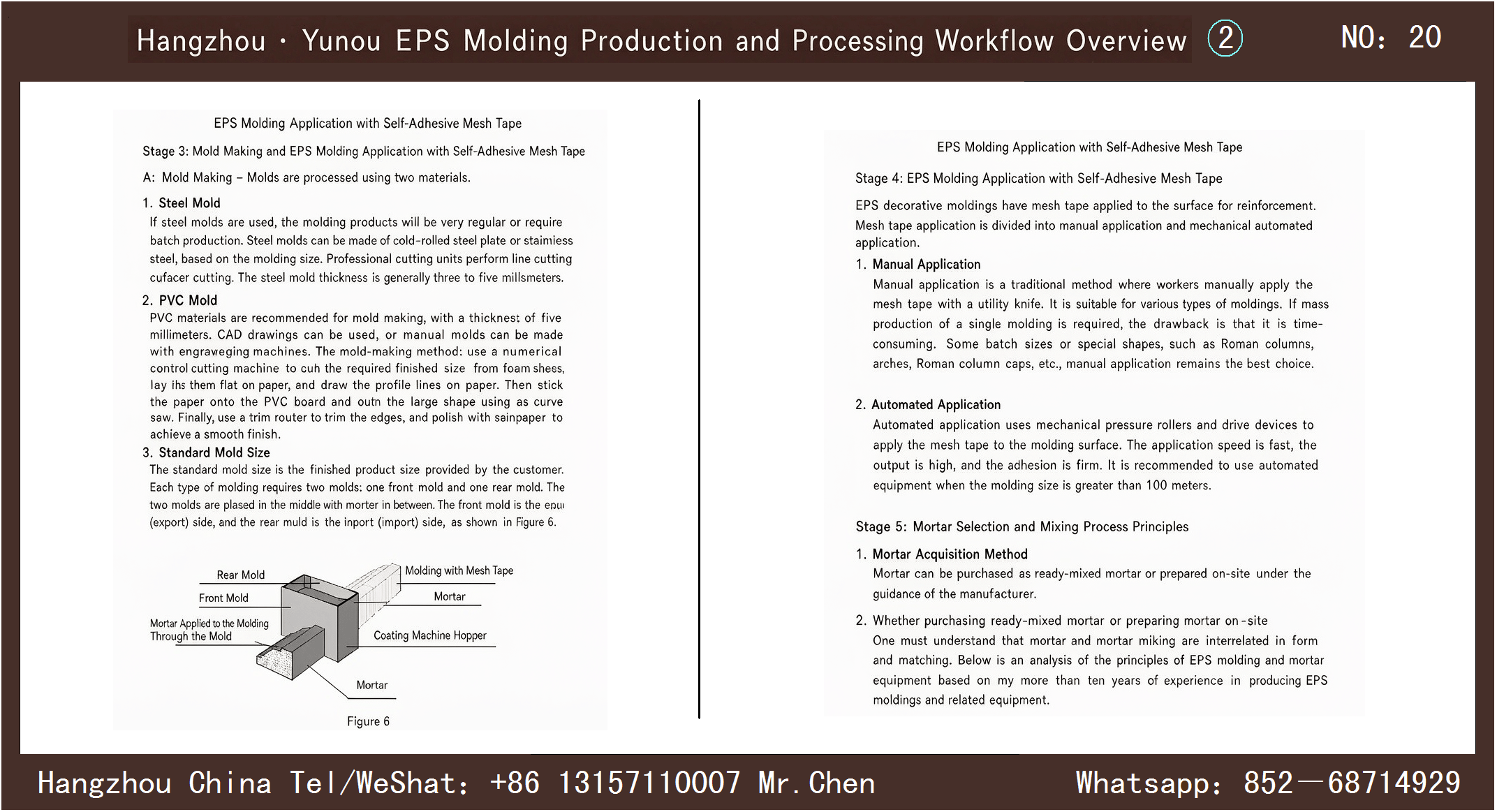
- Steel mold: dedicated for mass production of conventional lines,3~5mmCold-rolled stainless steel/Steel plates are processed and formed through wire cutting and laser cutting, and can be reused repeatedly;
- PVCtemplate5mmthickPVCSheet material,CADCarving or manual mold-making; Manual mold-making process: CNC cutting of foam templates→Rubbing the drawing ontoPVCPanel→Rough cutting with a jigsaw→The file is finely polished to be smooth;
- Template matching: Each set of lines is equipped with a front template (mortar outlet) and a rear template (mortar inlet). Polymer mortar is filled between the dual templates, and the template dimensions are consistent with the dimensions of the finished products delivered to customers.
- Manual laying: Manual scraper coating and laying, suitable for irregularly shaped components and small-batch orders (corbels, arcs, Roman column capitals); high labor costs for large-scale production of single lines.
- Automated tiling: Overall tiling achieved through mechanical pressure roller drive, featuring high speed, high output, and tight tiling; daily output of a single line style exceeds100It is recommended to use automated equipment.
- Mortar procurement plan: Procure finished plastering mortar or have manufacturers guide on-site compounding to establish exclusive product quality standards;
- Mortar is highly related to the mixing process, and the mixing method directly affects the appearance, adhesion, and yield of the finished product.
- Rigid single-component mortar: compound of rubber powder, additives, cement, and sand;
- Flexible two-component mortar: Emulsion+Compound blending of rubber powder, additives, cement, and sand.
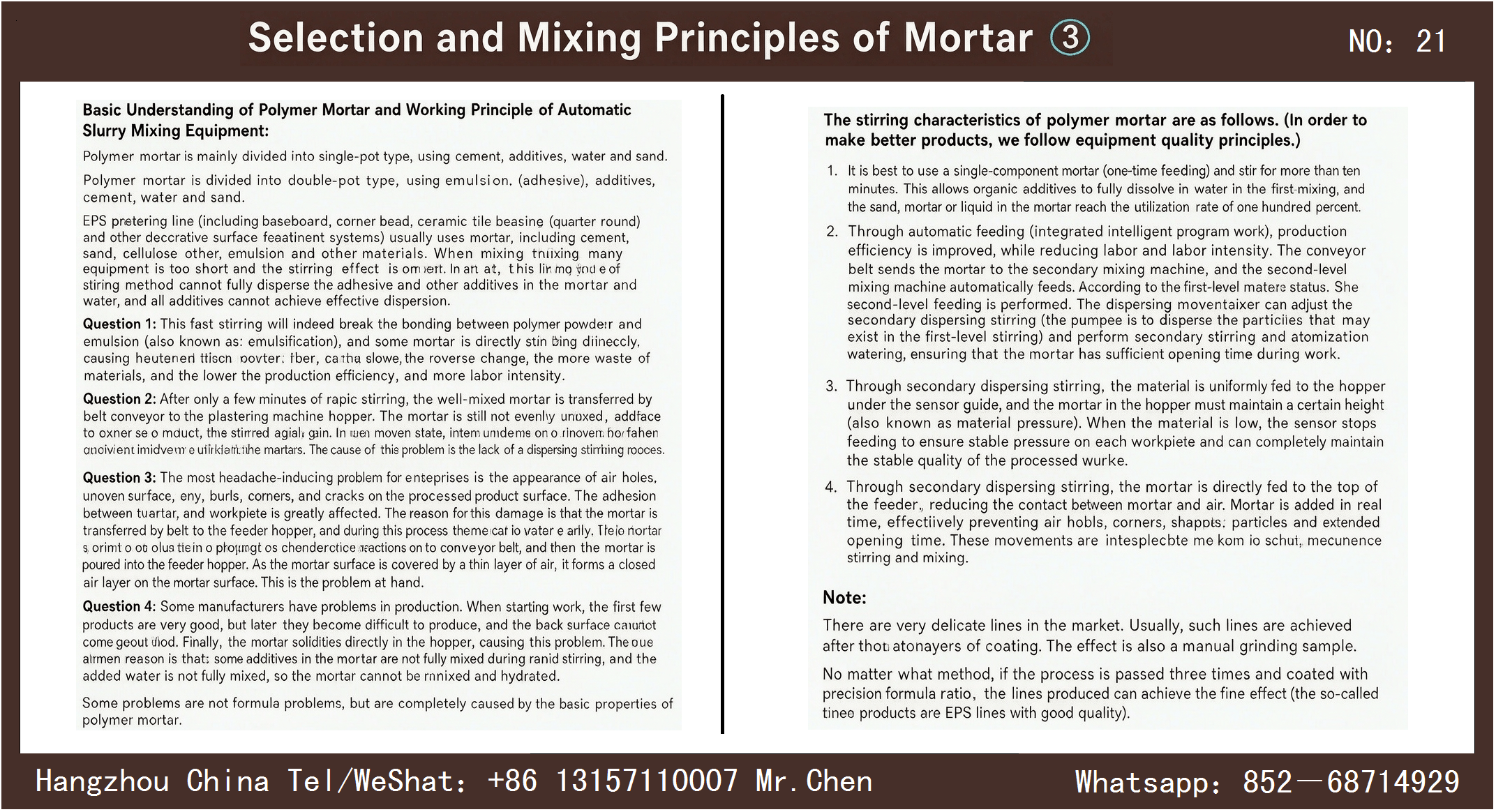
- Demulsification failure: High-speed stirring disrupts the molecular structure of emulsions and rubber powder, causing the mortar to heat up, foam, and ferment; this results in significant material wastage, reduced production efficiency, and increased labor costs.
- Surface uneven scratches: Insufficient mixing and the scraping of undissolved mortar lumps on the workpiece surface result in elongated uneven marks, stemming from the absence of a secondary dispersion mixing process.
- Pitting, pockmark, and cracking: A large amount of air is mixed in during the belt conveying process of mortar, causing the surface layer to cure prematurely and encapsulate air bubbles, resulting in pitting, serrated edges and corners, collapse, and cracking in the finished product, with a significant decrease in mortar adhesion.
- Premature curing of mortar: The additive fails to dissolve completely, making it impossible to replenish water midway, leading to rapid solidification of mortar in the latter half of production and rendering continuous processing unfeasible.
- Level 1 Full Dissolution: Add water in one go to the required amount, and mix at low speed with slow kneading10After more than a minute, the organic additives are completely dissolved, and the material utilization rate100%;
- Intelligent automatic feeding: Sensors coordinate the operation of a two-stage mixer, automatically transferring materials from the first-stage mixing to the second-stage dispersive mixing upon completion; the second stage features adjustable-speed particle dispersion, micro-mist water replenishment, and extends the open working time of mortar;
- Constant pressure discharge: The sensor controls the mortar level in the hopper, automatically replenishes material when it is insufficient, and temporarily stops feeding when it is full, ensuring uniform mortar application pressure for each workpiece and stable quality of finished products;
- Air-isolated discharge: Mortar is directly supplied from the top of the silo, minimizing its contact with air. It is mixed and used on site, eliminating bubbles, corner collapse, and particle defects.
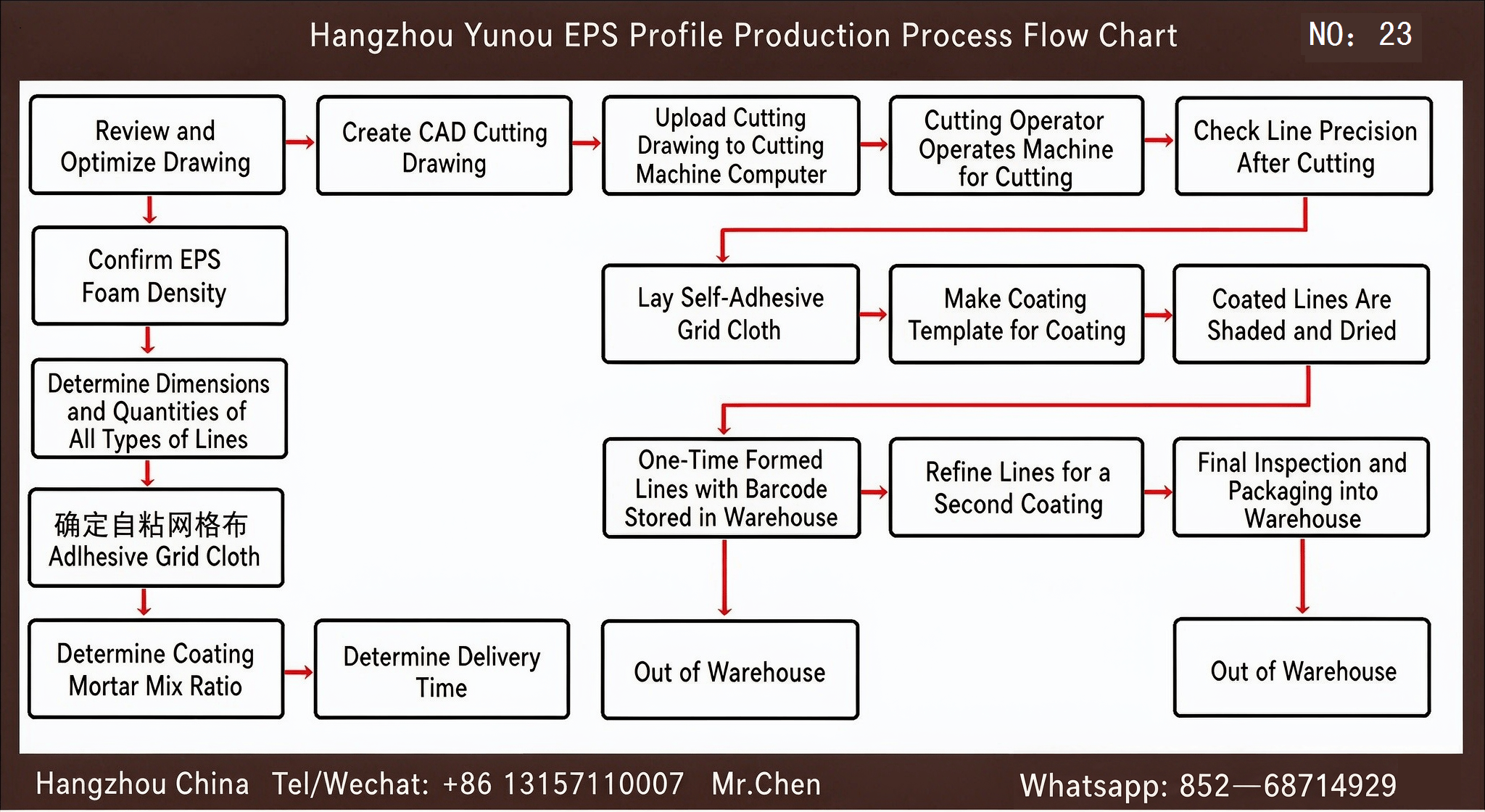
- Drawing review and optimization
- confirmEPSStandard for foam bulk density
- Count the line dimensions and production quantities of each model
- Selected specifications for matching self-adhesive fiberglass mesh
- Determine the formulation of coated polymer mortar
- Determine the delivery cycle through production scheduling
- drawCADFoam cutting drawing
- Upload the drawing to the computer of the CNC cutting machine.
- Automatic cutting of foam blanks by equipment
- Inspection of dimensional accuracy for finished foam products
- Laying self-adhesive mesh fabric on foam blanks
- Manufacturing of supporting coating molds, mortar coating and molding
- Coating completed, line shading, air-drying naturally
- One-pass forming ordinary lines: Barcode warehousing→Direct outbound delivery
- Second finishing of high-quality lines: Fine processing of the second mortar coating→Precision inspection of finished products→Packaging and warehousing→Out of storage
I. Performance of EPS Component Products
EPSThe component uses high-strength polystyrene foam as the matrix, alkali-resistant glass fiber mesh as the reinforcement material, and specially formulated polymer mortar as the protective layer. It is compositely molded using mechanical automation technology and undergoes thorough curing through indoor automated spraying technology. After full curing, the product experiences complete chemical reactions, with all indicators reaching a highly stable state, thereby endowing the product with properties such as wind-sand resistance, waterproofing, acid rain resistance, and freeze-thaw resistance. This product has been tested by domestic authoritative departments, with all indicators meeting or exceeding the standards.
EPSThe component products feature uniform shape, extremely light weight, smooth lines, and minimal errors. All lines can be freely cut and spliced, making installation easy and convenient, which not only avoidsGRCThe numerous difficulties and complex processes associated with the installation, internal and external corner splicing, and high-altitude transportation of traditional exterior wall architectural decoration components have been significantly reduced, thereby greatly lowering the risks of high-altitude operations and resolvingGRCNumerous challenges such as the inevitable cold and heat bridge phenomena that occur after the installation of traditional exterior wall architectural decoration components will be addressed, saving significant installation labor hours and costs for your project while enhancing the safety of installation operations. This product is currentlyGRCIt serves as an upgraded and ideal substitute for exterior wall architectural decoration components, as well as an embellishment and extension of exterior wall insulation systems. Its characteristics of being lightweight, attractive, insulating, flame-retardant, non-toxic, and easy to install make this product an ideal choice for exterior wall decoration in housing development projects, renovation of old residential exterior walls, and shop exterior decoration.
EPSThe cost of components and installation expenses are only a fraction of those of traditional cement.GRCComponent50%and greatly improve economic efficiency.

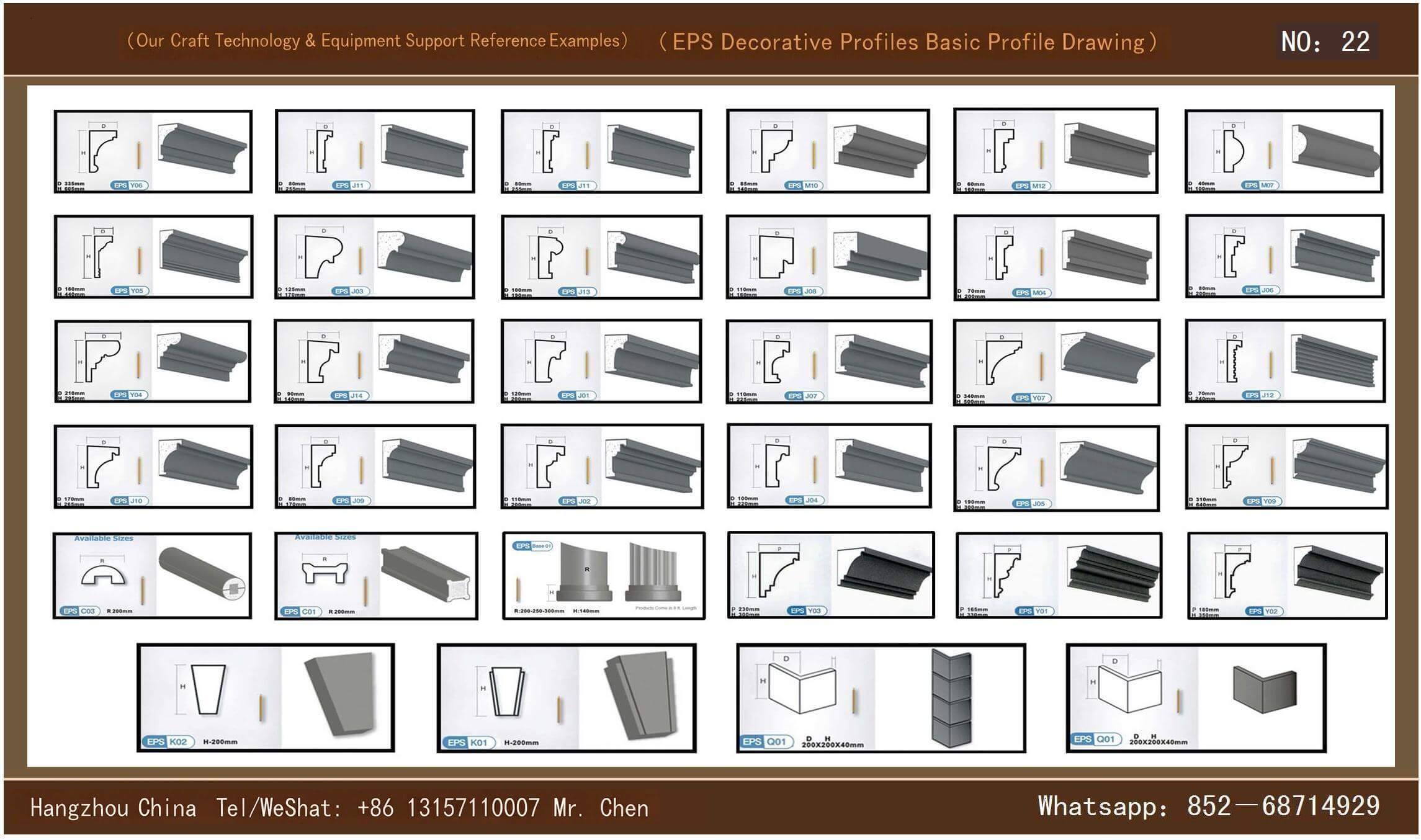
II. Product Structure of EPS Components (Four Layers from Inside to Outside)
Line Overview
I. Overview
EPSDecorative components are mainly used in door frames, window frames, eaves lines, waist lines, courtyard pillars, and other parts of buildings such as villas, European-style residential communities, hotels, and commercial streets. Last century,80It took the lead in being widely applied in European and American countries in those years and is a traditionalGRCAn epoch-making upgraded product of components.
EPSThe component uses high-strength flame-retardant polystyrene as the matrix, alkali-resistant glass fiber mesh cloth as the intermediate layer, and the outer layer is compositely molded with inorganic anti-aging polymer emulsion. The product is lightweight, impact-resistant, highly strong, exhibits excellent water resistance, and possesses good toughness.
EPSThe decorative moldings are fire-resistant, do not release toxic substances, and are environmentally friendly high-quality decorative building materials. They are new types of exterior wall decorative moldings and components suitable for exterior walls.EPS、XPSInsulated wall. It not only embodies a European classical and elegant decorative style but also eliminates the cold and heat bridge effects on the exterior walls of the main building, featuring advantages such as easy installation, high cost-effectiveness, and durability.
With the development of the architectural decoration industry, new materials continue to emerge,EPSThe market recognition of line products continues to rise, with an increasing number of manufacturing enterprises entering the market year by year.
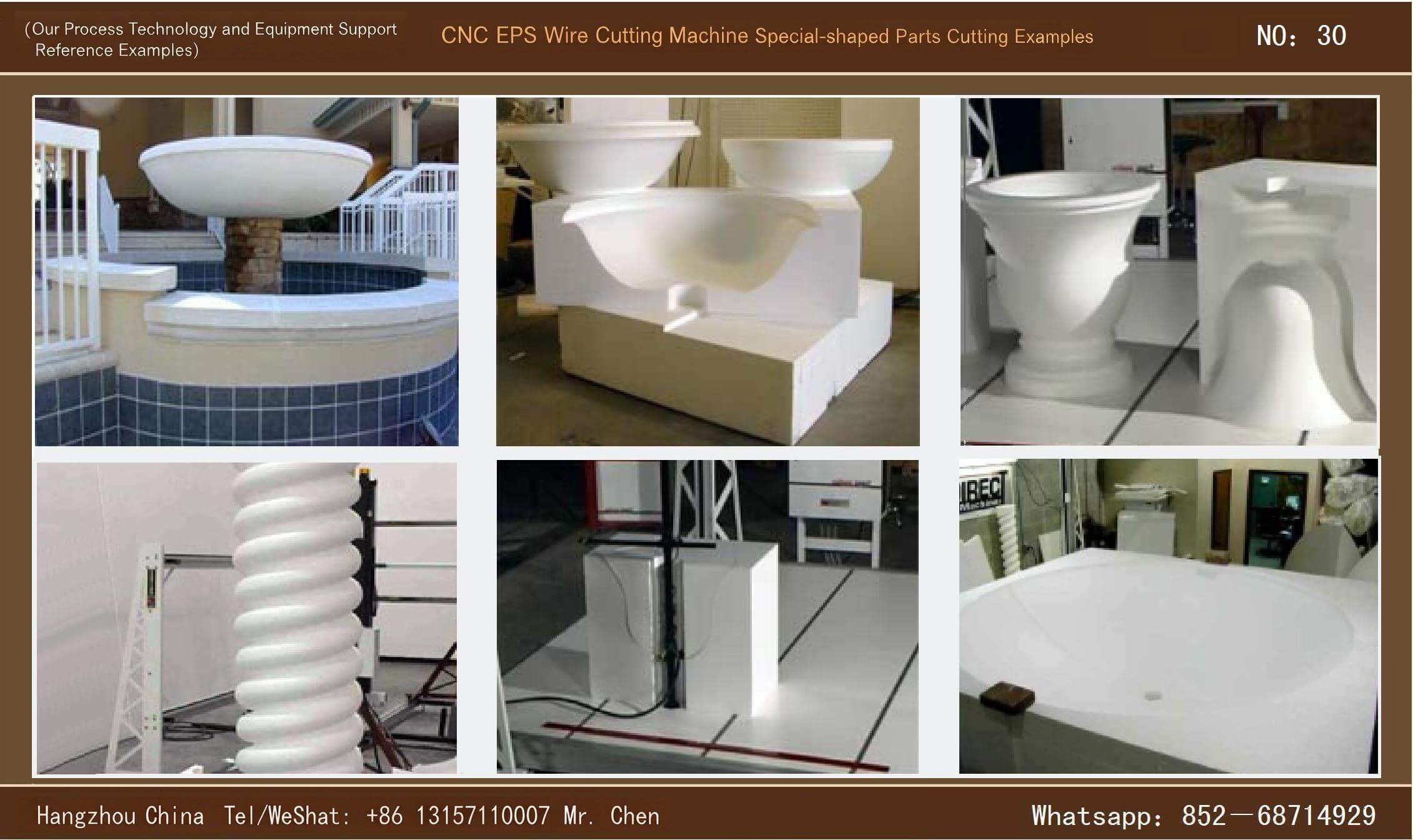
EPSThe decorative moldings are fire-resistant, temperature-resistant, cold-resistant, and heat-resistant, unaffected by climate or acid rain erosion, making them eco-friendly building materials. Utilizing computer numerical control cutting, they feature fast processing speeds and a wide range of product models, including conventional moldings, Roman columns, window surrounds, corbels, etc. They can be installed beside windows, doors, eaves, and walls to beautify building facades, providing architects with diverse creative spaces.
II. Eight Core Features
I. Developing the Future
EPSFull name: expanded polystyrene foam,EPSThe external thermal insulation system is composed of special mortar, thermal insulation boards, glass fiber mesh cloth, and decorative coatings, integrating both wall insulation and decoration functions. This system originated from70During the oil crises in past decades, it was gradually promoted to reduce energy consumption in civil and industrial buildings. With the iteration of materials and construction techniques, it has now become the mainstream exterior wall system for building energy efficiency in China, aligning with the country's building energy efficiency standards.
The early introduction of similar thermal insulation systems in China faced challenges in popularization due to high costs and unstable quality; domestic enterprises have assimilated core overseas technologies, combined them with experimental improvements using domestically produced main materials, and launched cost-effective supporting materials and construction techniques, which have been widely applied in various engineering projects, yielding remarkable economic and social benefits.
Emergence of mandatory sealing requirements for exterior wall insulationEPSLines, as an extended product for exterior wall insulation, European-style compositeEPSLines completely replace traditional methodsGRCComponents. After the state enforced mandatory building energy efficiency standards, exterior wall insulation extended to personalized architectural decorative moldings, achieving integration of insulation and decoration.
The enterprise has introduced advanced overseas coating technology to mass-produce finished thermal insulation lines, resolving in one go the challenges of decorative line processing, installation, and thermal bridges, thereby achieving labor and material savings.EPSThe polystyrene board undergoes deep processing, with fiberglass mesh cloth and a double-layer special protective coating adhered to its surface, isolating the insulation layer from damage caused by temperature variations, moisture, acid rain, and expansion/contraction; it is adaptable.EPSExternal thermal insulation system for exterior walls, eliminating cold and heat bridges.
Multi-category thermal insulation composite moldings can be customized in shape as needed. The components are safely bonded to the main structure of the building without requiring wall cantilevering, simplifying the main construction process and achieving a dual function of exterior wall decoration and energy efficiency.
II. Construction Advantages
III. Advantages of EPS Lines Compared to Traditional GRC Components
EPSDecorative lines are new types of exterior wall decorative components that can fully replace traditional cementGRCComponent, adaptationEPS、XPSThermal insulation exterior wall:
I. Applicable Venues
Residential buildings, villas, hotels, shops, shopping malls, clubs, old city renovation, and old building refurbishment projects.
II. Rules for Calculation of Work Quantities
EPSThe quantities of decorative moldings are calculated in two categories:
III. Main Technical Parameters
IV. Quality Inspection and Control Specifications
V. Complete Construction Procedures
Base surface treatment→On-site survey for cable pulling→Drawing confirmation→Factory-prefabricated products→On-site snapping of lines→Line cutting→On-site preparation of mortar→Paste lines→Installation of anchor nails→Seam repair→Overall organization→Completion acceptance
Step-by-step process instructions
7. Operational Specifications for On-site Mortar Preparation
① Adaptation of special polymer binding mortarEPSCustomization of foam base surface;
② The handheld electric mixer ensures thorough mixing, achieving a uniformly moderate consistency of the mortar;
③ Stand still after mixing is completed5minutes, with secondary mixing conducted before construction; after the mortar mixing is completed,2It must be used up within the hour, or it will become invalid.
8. Line pasting process
Small moldings are adhered using the full bonding method, while large moldings employ a combined dot-and-loop bonding method; the extruded components are fully flush with the wall surface, with the width of adhesive joints≤3mmPerform joint pointing while pasting, ensuring the mortar joints are fully filled and keeping the surface of components clean and tidy.
9. Specifications for the Installation of Anchor Nails
Line thickness≥500mmDuring the bonding and curing of components24Drill holes and install anchor bolts after a few hours; the holes penetrate throughEPSLines, external wall thermal insulation layer, depth drilled into the base wall≥50mmThe outer opening of the hole is slightly lower than the inner opening to prevent rainwater backflow; the anchor disc shall be fully embedded inside the molding and shall not be exposed.
10. Seam treatment process
The finished lines are of standard fixed length, and non-standard lengths are spliced on site; precise measurement of dimensions is required before splicing, followed by adhesion and fixation.
Sealing of splicing seams and curing of adhesives24After a few hours, apply rendering mortar on the seams and then lay100mmWide alkali-resistant fiberglass mesh/Non-woven fabric is applied, followed by an additional layer of plastering mortar on the surface, and then allowed to dry naturally.
11. Repair process for damaged lines
Damaged lines caused by construction bumps or cutting due to scaffold obstruction require on-site repair: For large-area defects, clean the base surface and cut to the same dimensions.EPSSpecial adhesive for fixing foam; Surface covered with plastering mortar+Alkali-resistant fiberglass mesh, with the mesh overlapping at the periphery≥50mmThe repaired finished surface shall be flush and smooth with the original lines, without any height difference.
Eight Core Advantages of Thermal Insulation Composite Lines

I. Comparison between EPS Thermal Insulation Composite Lines and Traditional Lines
(I) Traditional three types of linear defects
(II) Advantages of EPS thermal insulation composite moldings
It provides a one-stop solution to all the defects of traditional linear elements, with extremely simplified processes for component production, on-site construction, and exterior wall installation, and a comprehensive upgrade in overall performance.
II. Four-stage process for complete processing of EPS foam
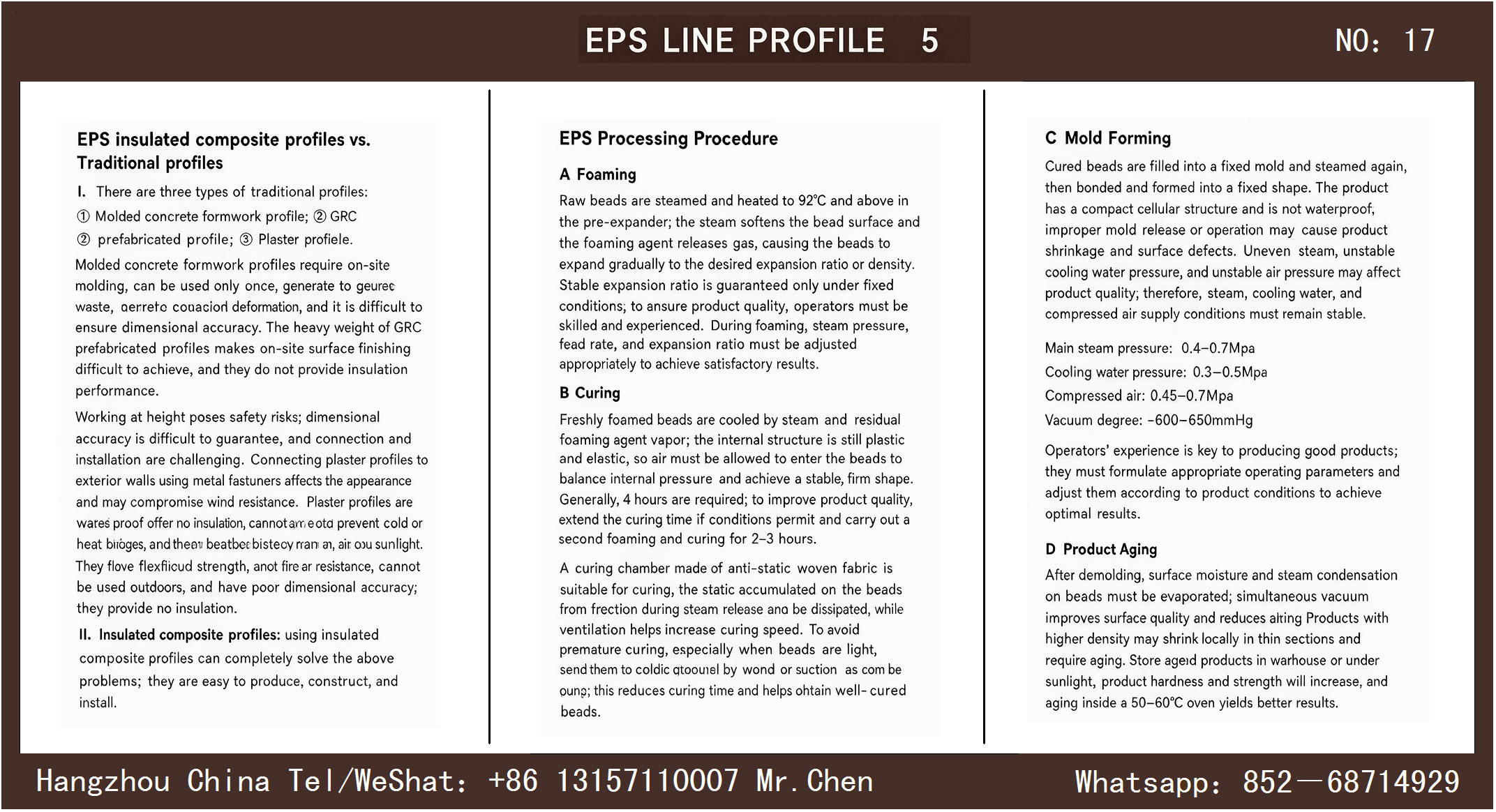
A Foaming process
The raw material beads enter the pre-expander and are heated by steam to92℃Softening occurs, and the release of the blowing agent causes the beads to expand to the target bulk density; stabilizing the foaming ratio is the core of product quality, with operators adjusting the pre-expansion temperature, steam pressure, feeding speed, and foaming ratio based on equipment conditions.
B. Mellowing Process
The freshly foamed beads are internally vacuumed and inelastic, requiring still standing4After more than an hour, air enters the micropores to balance the internal and external pressure and restore elasticity; improved quality allows for an extended standing time, and the particles become round and mature during secondary foaming.2~3It can be processed for the second time within hours.
The curing silo employs anti-static mesh gauze to dissipate moisture from the foam particles and eliminate static electricity; the low-density foam particles prevent deformation caused by pneumatic conveying compression, while free-falling into the silo enhances their fullness and shortens the curing cycle.
C. Molding Process
Mature expanded granules are filled into the mold and melt-bonded through steam heating for shaping; improper operation may lead to issues such as product shrinkage, uneven surfaces, difficulties in demolding, brittleness of the material, and an increased rejection rate.
Requirements for stable parameters of molding equipment:
Main steam pressure:0.4–0.7Mpa
Cooling water pressure:0.3–0.5Mpa
Compressed air:0.45–0.7Mpa
Vacuum degree:-600–650mmHg
Operators adjust equipment parameters according to product specifications to ensure the integrity and aesthetic appeal of finished products.
D Product curing process
The demoulded products have moisture adhering to their surfaces and are prone to shrinkage due to internal vacuum, thus requiring sufficient curing to enhance hardness and strength; natural storage and air-drying will suffice, with the optimal solution being50–60℃Constant temperature curing in drying oven.
Hangzhou Yun'ou: Brief Introduction to the Production and Processing Technology of EPS Lines①
Five Major Production Stages of EPS Lines — Stage 1: Material Selection
Corresponding raw materials are matched based on the quality grade of finished products, which are divided into three material selection standards for foam, fiberglass mesh, and plastering mortar:
1. Three grades of foam material selection
A Ordinary foam: Without flame retardants, not recommended for engineering use
B BGrade flame-retardant foam: bulk density14~25kg/m³Recommended unit weight≥18kg/m³with excellent flame retardancy
C Graphite foam (black foam): Made by adding graphite raw materials, specially designed for high-end thermal insulation
2. Three specifications of single-sided self-adhesive fiberglass mesh
A 85g/㎡: mesh5mm×5mm / 5mm×7mm / 7mm×7mm, dedicated for low-end lines
B 105g/㎡: mesh5mm×5mm / 5mm×7mm / 7mm×7mmApplicable to conventional mid-to-high-end lines
C 120g/㎡: mesh5mm×5mm / 5mm×7mm / 7mm×7mmMain materials for high-quality and high-end lines
3. Material Selection for Polymer Plastering Mortar
① Sand materials: washed yellow sand, machine-made rock sand, quartz sand; prohibited are silt and sea sand.
② Cement: priority425#Ordinary Portland cement; prohibited325#、425#Composite cement
③ Polymer additives: rubber powder, cellulose ether, water reducer, organosilicon, wood fiber, short fiber compound
④ Emulsion:VAEEmulsion, acrylic emulsion; acrylic emulsion offers better texture in finished products and is mostly used in high-end products.
Phase 2: Drawing and Foam Cutting
Brief Introduction to the Production and Processing Technology Flow of Hangzhou Yun'ou EPS Lines ②
Phase III: Mold Making
Molds are divided into steel molds,PVCTwo types of plastic formwork:
Phase 4: Foam-backed self-adhesive mesh fabric (two laying techniques)
The mesh cloth wrapping the foam surface enhances the overall strength of the component, with manual and automated laying methods available:
Phase V: Fundamentals of Mortar Mixing Process
Selection of Mortar and Mixing Process Principles ③
I. Classification of Polymer Mortar Foundations
II. Four Common Defects in Rapid Mixing Process
EPSThe mortar for thin plaster systems comprises cement, sand, cellulose, and rubber powder./Emulsions have serious drawbacks when subjected to high-speed stirring for a short period:
III. Four Core Criteria for Qualified Automated Mixing
IV. Process Remarks
All high-quality lines on the market have undergone2~3The mortar coating is applied uniformly, supplemented by a precise formula; a second coating with a standard ratio can achieve high-quality results.EPSFactory standard for lines.
Schematic Diagram of the Production Process for Hangzhou Yunou EPS Lines
Pre-coordination process
Foam processing procedure
Surface layer processing procedure
Finished product grading, warehousing and delivery